
Russian President Leverages Meeting with Slovak PM to Feign Diplomacy While Kremlin Officials Deny Peace Meeting Prospects and Moscow Signs Major Gas Deal with China
Summary of the Day – September 2, 2025
Vladimir Putin presented marginal concessions during his Beijing meeting with Slovak PM Robert Fico while maintaining demands for Ukraine’s capitulation and blaming Western aggression. Despite suggesting openness to EU membership for Ukraine and possible Zaporizhzhia plant cooperation, Putin rejected genuine peace negotiations as Kremlin officials denied bilateral meeting prospects. Russia signed the Power of Siberia-2 gas pipeline with China amid mounting economic pressure from sanctions and Ukrainian strikes, while North Korea deployed 6,000 additional troops to Russia with 2,000 casualties reported. Trump expressed disappointment with Putin as Ukrainian forces liberated Udachne village near Pokrovsk, while 203 Russian drones forced Kyiv schoolchildren underground during massive bombardment campaigns.
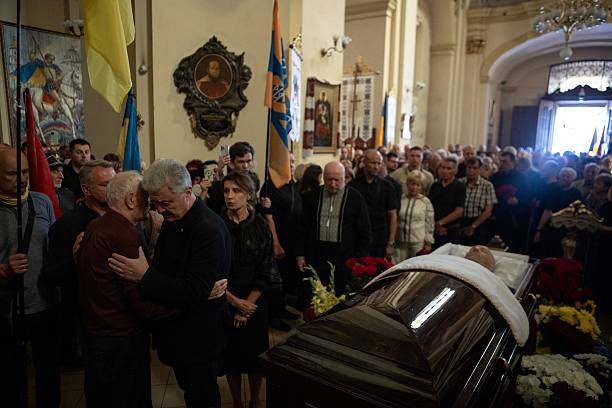
Former President Petro Poroshenko (2nd L) hugs a man near the coffin of Andriy Parubii, former Ukrainian parliamentary speaker, during his funeral at St. George’s Cathedral in Lviv on Sept. 2, 2025. A leading figure in the country’s pro-European protest movements of 2004 and 2014, Parubii was shot dead in Lviv. (Oleksandr Magula/AFP via Getty Images)
Putin’s Theater of Concessions: Minimal Offers Mask Unchanged Position
Russian President Vladimir Putin leveraged his meeting with Slovak Prime Minister Robert Fico in Beijing to present what appeared to be concessions while maintaining his fundamental demands for Ukraine’s complete capitulation. Putin claimed Russia has never opposed Ukraine joining the European Union, though maintaining opposition to NATO membership, while suggesting possible cooperation with the United States and Ukraine on the Russian-occupied Zaporizhzhia Nuclear Power Plant if “favorable circumstances” arise.
These marginal concessions came alongside Putin’s continued blame of the West for provoking Russian aggression, reiterating claims that the 2014 “coup” in Ukraine justified Russia’s invasions in both 2014 and 2022. Putin also denied Russia has future plans to attack another European country, despite his military’s continued offensive operations across multiple Ukrainian fronts.
The timing of these limited offers appeared calculated to feign interest in peace negotiations roughly two weeks after Trump reiterated his desire for direct peace talks. However, the concessions remained tangential to core issues while Putin maintained demands for regime change in Kyiv and Ukraine’s withdrawal from contested territories.
Kremlin’s Categorical Denial: No Agreement for Peace Meetings
Russian Presidential Aide Yuriy Ushakov definitively contradicted White House statements about potential peace meetings, stating there was no agreement between Trump and Putin for bilateral Ukrainian-Russian or trilateral discussions. Speaking on September 2, Ushakov claimed ongoing U.S.-Russian dialogue relates primarily to the “Ukrainian conflict” but that it remains “too early to discuss bilateral relations.”
Ushakov’s denial directly contradicted Trump’s August 18 statements planning a bilateral meeting between Zelensky and Putin followed by trilateral talks. The Kremlin official claimed that while raising the level of delegations in negotiations had been discussed during Trump’s Alaska summit with Putin, no specific agreement was reached.
“So far, what’s being broadcast in the press is not exactly what we agreed on,” Ushakov stated, emphasizing the Kremlin’s unwillingness to commit to substantive peace discussions despite American diplomatic pressure and repeated deadline extensions.
Economic Lifeline: Russia Signs Major Gas Deal with China
Russia’s energy giant Gazprom and China’s state-owned CNPC signed a binding agreement for the Power of Siberia-2 pipeline, designed to deliver gas from Russia’s Yamal fields to China via Mongolia for 30 years. The deal cements Moscow’s pivot to Asia as it loses access to European energy markets, with supplies expected to reach 50 billion cubic meters annually.
The agreement followed Putin’s meetings with Chinese leader Xi Jinping during his Beijing visit, where the two countries signed more than 20 cooperation deals across energy, technology, and other sectors. Moscow and Beijing also agreed to boost deliveries through the existing Power of Siberia line from 38 to 44 billion cubic meters per year.
Gazprom CEO Alexei Miller described the project as “the largest, most ambitious, and most capital-intensive gas project in the world.” The deal provides Russia with crucial economic support as Western sanctions continue pressuring Moscow’s economy, while China gains access to significant energy resources despite claiming neutrality in the Ukraine conflict.
Sanctions Bite: Economic Pressure Mounts on Russian Oil Exports
Russia continues experiencing significant economic impacts from secondary sanctions and Ukrainian strikes on oil infrastructure. Bloomberg reported that Russian exporters are offering Urals crude to Indian importers at discounts of $3-4 per barrel compared to Brent prices for late September-October deliveries, increasing from $2.50 discounts in late August and $1 in July.
Russia’s discounted oil sales indicate mounting pressure on Moscow’s primary revenue source, with the country selling crude below market prices to maintain export volumes despite Western restrictions. The escalating discounts suggest Russia’s desperation to retain Indian purchases amid U.S. secondary sanctions threats, including 50% tariffs on Indian exports to America.
Meanwhile, gasoline shortages spread across Russian and occupied Ukrainian territories due to Ukrainian strikes on refineries. Occupied Kherson and Luhansk oblasts reported shortages of AI-92 and AI-95 gasoline with rising prices, while Russian authorities suspended gasoline sales to Kuril Islands residents. The Kremlin extended its temporary ban on processed gasoline exports through October 2025 to address domestic shortages.
North Korean Reinforcement: 6,000 Additional Troops Deployed
South Korea’s National Intelligence Service assessed that North Korea plans to send approximately 6,000 additional soldiers to Russia, with roughly 1,000 military engineers already arriving as “reserve forces” in rear areas. The deployment represents North Korea’s third wave of military assistance, following earlier phases that reportedly resulted in 2,000 North Korean casualties according to South Korean intelligence.
Russian Security Council Secretary Sergei Shoigu had announced in June that North Korea would send 6,000 sappers and military engineers for reconstruction efforts in Kursk Oblast. Russian milbloggers reported that North Korean forces will operate in Sudzha and Guyevo areas, with Russian commanders receiving orders to prevent friendly fire incidents during the deployment.
The expanding North Korean involvement highlights Russia’s growing dependence on foreign military assistance as domestic recruitment struggles to replace mounting casualties. The deployment also demonstrates deepening military cooperation following the June 2024 Comprehensive Strategic Partnership Agreement between Putin and Kim Jong Un.
Slovak-Russian Cooperation: Fico Seeks Normalized Relations
Slovak Prime Minister Robert Fico announced his intention to normalize relations with Russia during his Beijing meeting with Putin, while confirming Slovakia’s gradual increase of Russian gas imports through TurkStream pipeline to nearly 4 billion cubic meters annually. Fico opposed EU plans to phase out Russian fossil fuel imports, stating Slovakia would vote against the decision.
Putin praised Fico for taking an “independent foreign policy” line and suggested Slovakia retaliate against Ukraine by cutting gas and electricity supplies. “Shut off gas supplies that go in reverse. Shut off electricity supplies, and they will immediately understand there are limits to their behavior,” Putin advised.
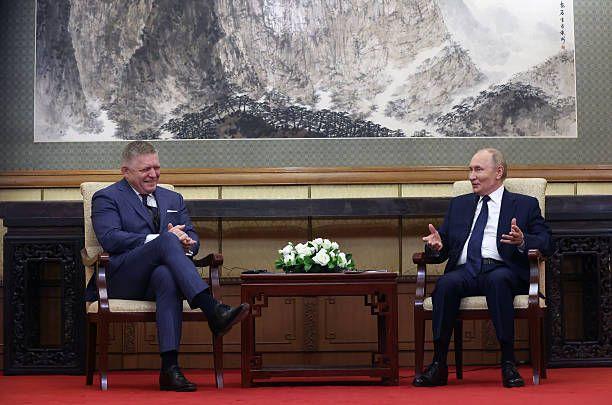
Russian President Vladimir Putin (R) talks to Slovak Prime Minister Robert Fico (L) during their bilateral meeting, in Beijing, China. Presidengt Putin is visiting China and will attend a military parade in Beijing to celebrate the 80th anniversary of the end of WW2. (Contributor/Getty Images)
The Slovak leader’s participation as the only EU head of government at China’s World War II commemorations highlighted divisions within European responses to Russian aggression. Fico has consistently opposed EU sanctions on Russia and ended military aid to Ukraine since returning to office in 2023.
Assassination Confession: Parubii Murder Suspect Reveals Motive
The suspect detained for murdering former parliament speaker Andrii Parubii confessed to the crime on September 2, describing it as “revenge against Ukrainian authorities.” The 52-year-old man from Lviv, whose name remains undisclosed, told journalists he killed Parubii and requested exchange for Ukrainian prisoners of war to recover his son’s body.
According to Radio Free Europe reporting, the suspect established contact with Russian intelligence while seeking information about his son, a Ukrainian soldier who disappeared near Bakhmut in 2023. Russian contacts reportedly informed him of his son’s death and subsequently used this information for manipulation.
The confession revealed the personal tragedy underlying the assassination, with the suspect claiming he targeted Parubii simply because the politician “was nearby,” suggesting he would have targeted other officials if living elsewhere. A Lviv court ordered 60-day detention without bail as investigations continue into possible Russian intelligence connections.
Liberation Success: Ukrainian Forces Retake Udachne Village
Ukrainian forces of the 425th Skala Regiment successfully liberated the village of Udachne in Donetsk Oblast, raising the national flag on September 2 after two weeks of house-by-house clearing operations. Located approximately 10 kilometers west of strategic Pokrovsk, Udachne represents the second village liberation in consecutive days following Novoekonomichne.
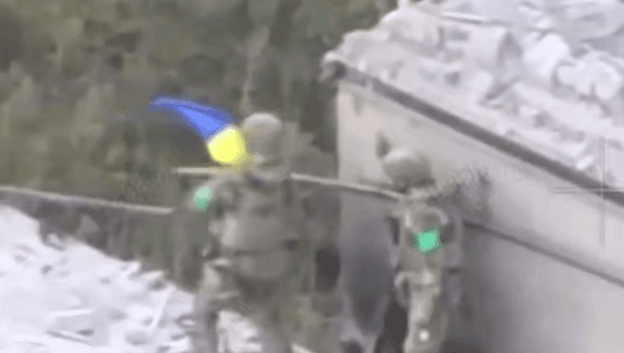
A screenshot of a video that purports to show Ukrainian soldiers raising a flag in Udachne, Donetsk Oblast. Footage published. (The General Staff of Ukraine’s Armed Forces)
The General Staff released footage showing Ukrainian soldiers raising the flag atop a damaged building after destroying all Russian positions in the settlement. Military spokesperson reported that assault units “gradually cleared house after house” during the intensive two-week operation.
The liberation demonstrates Ukrainian forces’ continued offensive capabilities despite defending against major Russian assaults around Pokrovsk, where Moscow has concentrated approximately 100,000 troops. The tactical success provides Ukraine with improved defensive positions while potentially disrupting Russian offensive preparations in the critical Donetsk sector.
Educational Disruption: School Children Forced Underground by Drones
Kyiv schoolchildren were forced to shelter in subway stations on September 2 as Russian drone attacks triggered air raid sirens across the capital, disrupting the second day of the new academic year. The alert began at 9:20 a.m. local time and lasted over three hours, catching many children en route to school before classes could begin.
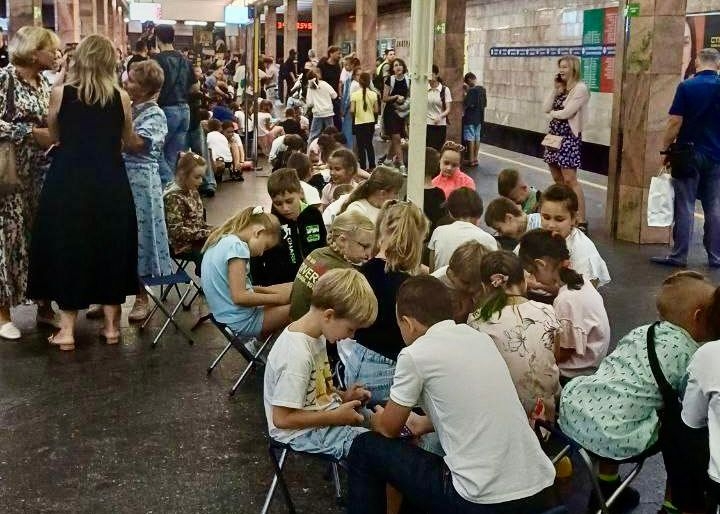
Children take shelter in a subway station during a Russian drone attack on the second day of school in Kyiv, Ukraine. (Telegram, Chris York/The Kyiv Independent)
The disruption exemplifies the ongoing impact of Russian attacks on Ukrainian education, with Save the Children NGO reporting that air raid sirens forced children to miss one in every five lessons during the 2024-25 school year. Kharkiv has responded by opening seven underground schools for 17,000 pupils, some situated three stories below ground to withstand missile and drone attacks.
Ukraine’s education system shows severe strain from the war, with the State Statistics Service recording just 3.74 million students across all education forms at the 2024-25 school year start—the lowest figure in three decades. The continued Russian bombardment campaign directly contradicts Moscow’s claims about seeking peace negotiations.
Assassination Confession: Parubii Murder Suspect Reveals Motive
The suspect detained for murdering former parliament speaker Andrii Parubii confessed to the crime on September 2, describing it as “revenge against Ukrainian authorities.” The 52-year-old man from Lviv, whose name remains undisclosed, told journalists he killed Parubii and requested exchange for Ukrainian prisoners of war to recover his son’s body.
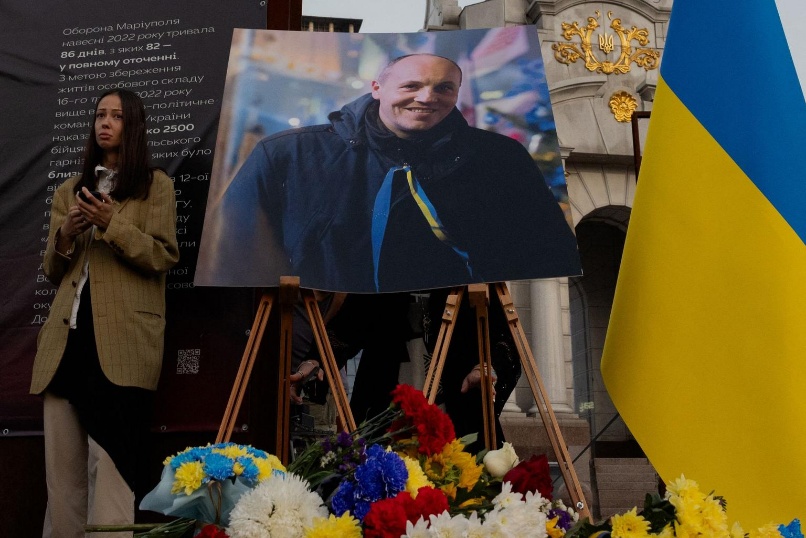
This photograph shows an image of the former Ukrainian parliamentary speaker Andrii Parubii amongst flowers during a ceremony to honour him at Independence Square in Kyiv, amid the Russian invasion in Ukraine. (Tetiana Dzhafarova/AFP via Getty Images)
According to Radio Free Europe reporting, the suspect established contact with Russian intelligence while seeking information about his son, a Ukrainian soldier who disappeared near Bakhmut in 2023. Russian contacts reportedly informed him of his son’s death and subsequently used this information for manipulation.
The confession revealed the personal tragedy underlying the assassination, with the suspect claiming he targeted Parubii simply because the politician “was nearby,” suggesting he would have targeted other officials if living elsewhere. A Lviv court ordered 60-day detention without bail as investigations continue into possible Russian intelligence connections.
Slovak-Russian Cooperation: Fico Seeks Normalized Relations
Slovak Prime Minister Robert Fico announced his intention to normalize relations with Russia during his Beijing meeting with Putin, while confirming Slovakia’s gradual increase of Russian gas imports through TurkStream pipeline to nearly 4 billion cubic meters annually. Fico opposed EU plans to phase out Russian fossil fuel imports, stating Slovakia would vote against the decision.
Putin praised Fico for taking an “independent foreign policy” line and suggested Slovakia retaliate against Ukraine by cutting gas and electricity supplies. “Shut off gas supplies that go in reverse. Shut off electricity supplies, and they will immediately understand there are limits to their behavior,” Putin advised.
The Slovak leader’s participation as the only EU head of government at China’s World War II commemorations highlighted divisions within European responses to Russian aggression. Fico has consistently opposed EU sanctions on Russia and ended military aid to Ukraine since returning to office in 2023.
War Insurance Program: Ukraine Develops Risk Coverage System
Ukraine announced development of a comprehensive war risk insurance program covering property damage in frontline areas and across the country. The initiative, led by Verkhovna Rada Finance Committee head Danylo Hetmantsev, aims to mitigate investment risks and encourage economic recovery amid ongoing Russian aggression.
The program consists of two components: frontline coverage through the Export Credit Agency with compensation for property damage, and broader regional coverage with government-subsidized premiums to make protection affordable for businesses and individuals. Implementation requires amendments to existing legislation and government budget program establishment.
The insurance system represents Ukraine’s effort to attract reconstruction investment by providing financial safeguards against war-related losses. Officials emphasized the program will not burden the state budget while creating mechanisms for compensating both individual and business property damage from warfare.
Military Advances: Ukrainian and Russian Forces Exchange Territory
Ukrainian forces achieved several tactical advances on September 2, with geolocated footage confirming advancement to the Vovcha River in northwestern Vovchansk and progress in southeastern Zarichne. These gains demonstrate continued Ukrainian offensive capabilities despite defending against Russian pressure across multiple fronts.
Russian forces captured central Myrove northwest of Kupyansk according to confirmed footage, while advancing in southern Volodymyrivka southwest of Druzhkivka in the Kostyantynivka tactical area. Russian Ministry of Defense claimed seizure of Fedorivka southwest of Siversk, though verification remained pending.
The territorial exchanges reflect the ongoing attritional warfare character, with both sides achieving limited gains at significant cost. Ukrainian military spokespeople reported intensified Russian attacks using small infantry groups, infiltration tactics, and improved unmanned systems across multiple directions.
NATO Expansion: New Command Center Opens in Finland
NATO’s Multi-Corps Land Component Command began operations in Finland’s Mikkeli on September 1, positioned approximately 250 kilometers from St. Petersburg and 100 kilometers from the Russia-Finland border. The facility strengthens NATO’s defense posture along its eastern flank with initial staff of 10 expanding to 50 over coming years.
The command center will oversee NATO forces coordination and national land forces synchronization in northern areas, including planning and directing combined training exercises. The deployment represents one of NATO’s closest headquarters to Russian territory alongside facilities in Latvia, Poland, and Estonia.
Finland joined NATO in 2023 following Russia’s full-scale invasion of Ukraine, breaking from longtime neutrality. Finnish military expects Russian military buildup along the shared 1,340-kilometer border once the Ukraine war concludes, making the new command strategically important for alliance defense preparations.
Environmental Crisis: Oil Slick Approaches Crimean Coast
A 14-square-kilometer oil slick originating from the Caspian Pipeline Consortium Marine Terminal near Novorossiysk is moving toward occupied Crimea, with most pollution already reaching Russia’s Krasnodar Krai coast. The spill, which began on August 29, initially covered 40 square kilometers before expanding along 100 kilometers of coastline.
Satellite imagery from Crimean Wind monitoring group shows the main slick stretching from Novorossiysk to Taman Peninsula covering approximately 211 square kilometers, while a smaller portion drifts toward Crimea. Russian authorities have remained largely silent about the incident, apparently downplaying its environmental severity.
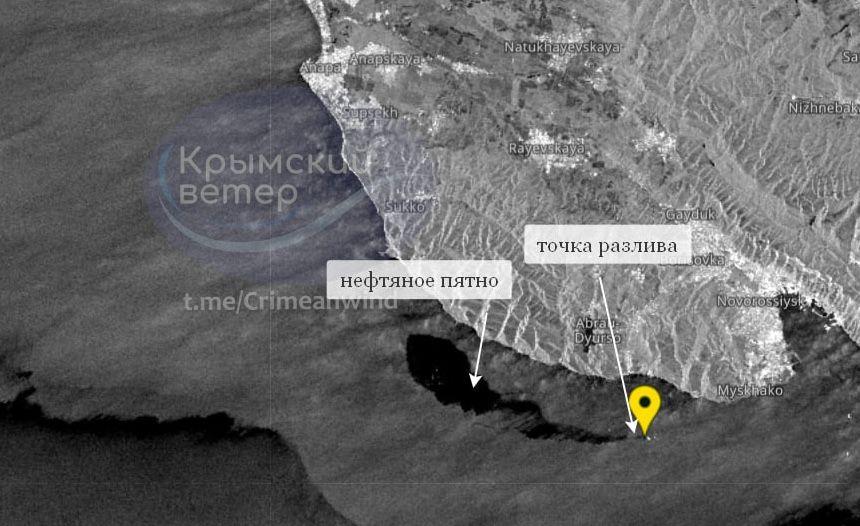
Satellite photos showing the progression of an oil slick nearing Russian-occupied Crimea. (The Crimean Wind/Telegram)
The spill follows December 2024’s ecological catastrophe when two Russian tankers sank in the Kerch Strait, spreading fuel oil across the Black Sea from Kerch to Sevastopol. The recurring incidents highlight environmental risks from Russian energy infrastructure operations in the region.
Polish Military Exercise: Largest Drills Address Regional Threats
Poland launched Iron Defender-25, its largest military exercise of 2025, involving approximately 30,000 Polish and allied troops with 600 pieces of equipment across land, sea, air, and cyber domains. The September 1 launch addresses mounting security risks from Poland’s borders with Russian-backed Belarus and militarized Kaliningrad exclave.
The exercises will assess multi-domain warfare capabilities while incorporating lessons learned from Ukraine’s ongoing conflict. Polish Defense Ministry emphasized the integration of conventional and cyber operations to strengthen NATO’s deterrence posture and operational readiness.
The timing coincides with Russian-led CSTO drills in Belarus and upcoming large-scale Russian-Belarusian Zapad-2025 exercises in September. Poland’s strategic location places it on the frontline of potential NATO-Russia confrontation, with Western leaders warning of broader European war risks within five years.
Corruption Investigation: Senior SBU Official Charged
The National Anti-Corruption Bureau and Specialized Anti-Corruption Prosecutor’s Office placed a senior Security Service of Ukraine official under suspicion of illicit enrichment and asset misrepresentation. Ukrainian media identified the suspect as former SBU cybersecurity chief Illia Vitiuk, dismissed in May 2024 following corruption allegations.
Investigators revealed the suspect purchased an apartment for 21.6 million hryvnias ($522,000) registered under a family member’s name, while the contract declared the property’s value at only 12.8 million hryvnias ($310,000). The family member claimed earnings from entrepreneurial legal and consulting activities since February 2022.
However, prosecutors determined the funds originated from an individual suspected of embezzling money from Ukrainian Railways through organized crime, with no verified source for the remaining 8.8 million hryvnias. The SBU condemned the charges as “revenge” linked to July arrests of NABU employees during failed Presidential Office attempts to end anti-corruption agency independence.
Energy Sector Pressure: Fico’s Gas Diplomacy and EU Restrictions
Slovakia confirmed plans to normalize relations with Russia while opposing EU restrictions on Russian energy imports. Prime Minister Fico announced Slovakia would vote against the 2027 phase-out plan, stating “much could change by 2028” and expressing interest in continued Russian gas and oil cooperation.
Denmark’s EU presidency proposal requiring importers to prove non-Russian origins specifically targets TurkStream pipeline supplies, reflecting concerns about blended gas re-exports disguising Russian deliveries. The measures would prevent future swap deals while closing crucial sanctions regime loopholes.
Slovakia’s position as the only EU country at China’s Shanghai Cooperation Organization summit highlighted European divisions over Russian energy dependence. The country’s heavy reliance on Russian supplies through TurkStream demonstrates ongoing challenges in achieving EU energy independence despite the Ukraine conflict.
Looking Ahead: Diplomatic Theater Masks Military Reality
Putin’s Beijing performance with marginal concessions while maintaining maximalist demands demonstrates Russia’s fundamental unwillingness to pursue genuine peace negotiations. The coordination with Slovak Prime Minister Fico and formal Kremlin denial of meeting prospects reveals Moscow’s strategy of diplomatic theater designed to buy time while continuing military operations.
The deepening Russia-China energy partnership through the Power of Siberia-2 agreement provides Moscow with crucial economic lifelines as Western sanctions pressure mounts. Meanwhile, North Korea’s expanding military involvement and continued gasoline shortages across occupied territories highlight the growing costs of Russia’s war effort.
Ukrainian tactical successes around Pokrovsk and continued disruption of Russian infrastructure demonstrate Kyiv’s resilience despite mounting pressure. As Trump expresses disappointment with Putin’s response to diplomatic overtures, the convergence of military realities and economic pressures suggests the autumn campaign will prove decisive for both sides’ strategic objectives.