
While Washington drafted surrender terms and Moscow burned Ternopil, the war itself refused to pause for either.
𝗧𝗵𝗲 𝗗𝗮𝘆’𝘀 𝗥𝗲𝗰𝗸𝗼𝗻𝗶𝗻𝗴
Picture yourself standing in Ternopil as dawn breaks on November 20. You watch 230 rescue workers in orange vests climbing through what was someone’s apartment three days ago. Somewhere beneath the concrete slabs, 22 people still wait. Some might be alive. Most probably aren’t. You check your phone—Kyiv’s Left Bank has been dark for fourteen hours straight, the longest blackout of the year. Then news from Zaporizhzhia: five more dead in a market bombing, bodies still warm as morning shoppers arrive.
Now shift your perspective to Washington, where diplomats are finalizing a 28-point peace proposal. Ukraine would surrender all of Donbas—not just occupied areas, but cities like Pokrovsk where soldiers are dying right now. Russia keeps Crimea. Ukraine’s military gets cut in half. NATO membership? Forbidden forever, written into both Ukraine’s constitution and NATO’s charter. In exchange, Russia promises not to invade again and maybe pays some rent for the territories.
You’re a Ukrainian teenager in Mariupol named David. Russian security agents question you for five hours because you’re fleeing conscription. They threaten to plant drugs. They take your fingerprints. They smile while deciding whether to send you back to fight for the army that destroyed your city. You’re nineteen years old and terrified.
This is November 20, 2024. While negotiators draft terms in comfortable offices, you’re digging through rubble in Ternopil, sitting in darkness in Kyiv, or sweating in a Russian interrogation room in occupied Ukraine. The day’s contradiction is brutal: peace talked about by those who don’t have to live with its consequences.
𝗧𝗵𝗲 𝗣𝗲𝗮𝗰𝗲 𝗣𝗹𝗮𝗻 𝗧𝗵𝗮𝘁 𝗙𝗲𝗲𝗹𝘀 𝗟𝗶𝗸𝗲 𝗦𝘂𝗿𝗿𝗲𝗻𝗱𝗲𝗿
Imagine receiving a document—twenty-eight numbered points—that decides your country’s future. You weren’t consulted. Your European allies weren’t either. Just American and Russian envoys working quietly for weeks, then handing you the result.
You read the terms and your stomach drops. Surrender Pokrovsk, where your friends are fighting right now. Surrender Sloviansk and Kramatorsk, cities still free. Turn them into a demilitarized zone Russia controls. Cut your military from 1.2 million to 600,000 while Russia faces no such limits. Write into your constitution that you’ll never join NATO. Watch as Washington recognizes Crimea and Donbas as Russian territory. Russia pays some “rental fees” and promises—in Russian law—not to invade again.
You remember Putin’s promises before: Budapest Memorandum, Minsk agreements, grain deals. How many times has Russian law protected anyone?
Olena Hubanova, who helps evacuate people from occupied zones, says it plainly: “We would be giving them over to enemy or telling them to leave for nowhere, without money or support. Ukraine is not just territory. Ukraine is people.”
You’re President Zelensky. Trump’s team says the timeline is “aggressive.” They’re treating Ukraine’s energy crisis—your cities sitting in darkness—as justification for urgency. But urgency benefits Russia, not you. Every day of pressure weakens your negotiating position while your soldiers hold Pokrovsk room by room.
European officials call it a Russian fantasy, a provocation. But Trump has approved it. His envoys are serious. And you know what history does to small nations told to accept the unacceptable for someone else’s peace.
𝗧𝗲𝗿𝗻𝗼𝗽𝗶𝗹: 𝗗𝗶𝗴𝗴𝗶𝗻𝗴 𝗧𝗵𝗿𝗼𝘂𝗴𝗵 𝗟𝗶𝘃𝗲𝘀
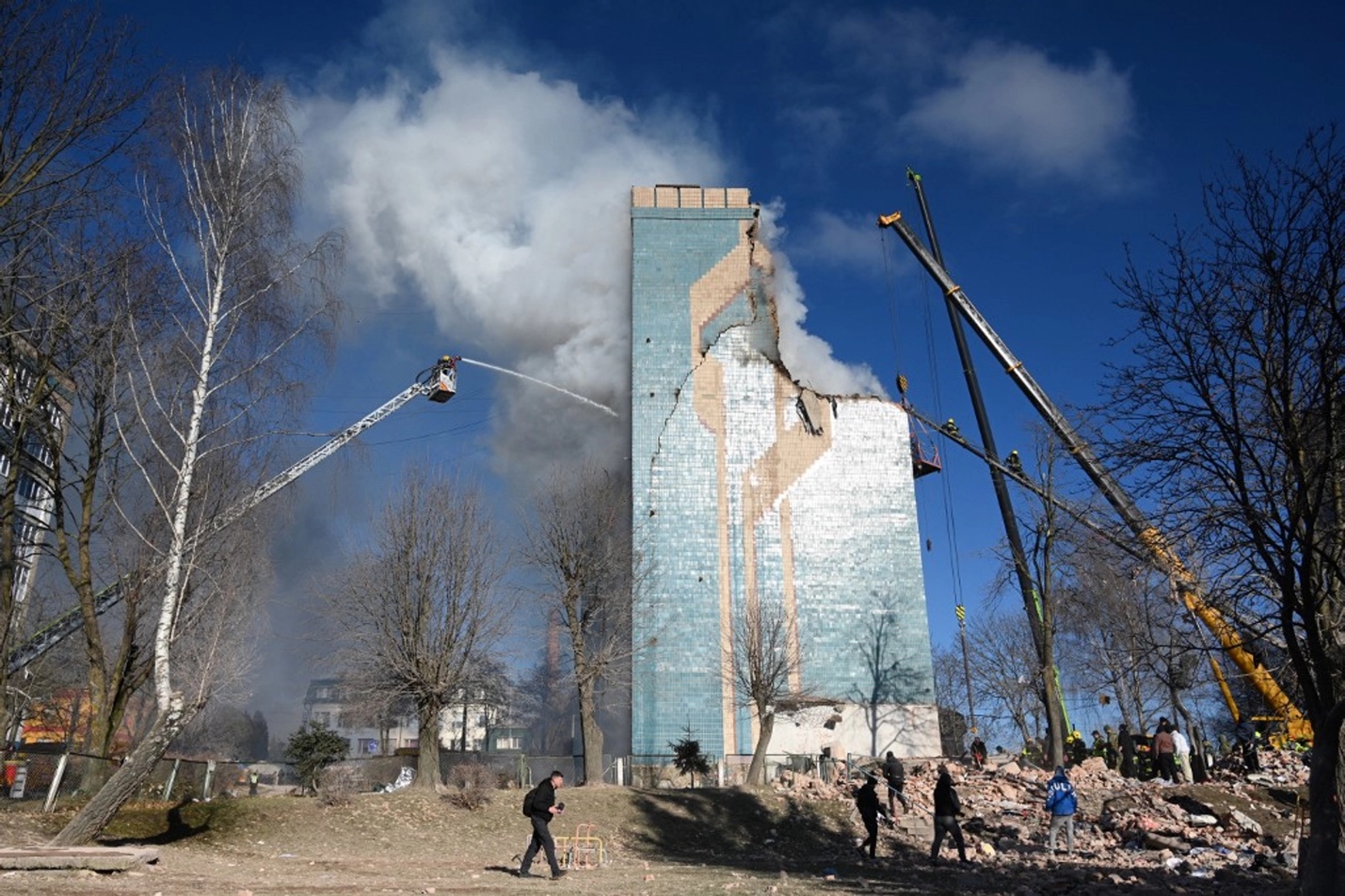
You’re part of the rescue crew, third shift, seventy-two hours into the operation. Your hands are raw from moving concrete chunks that used to be walls. “Anybody there?” you call into a void that might have been a bedroom. Silence. You call again. Still nothing.
Two Kh-101 cruise missiles did this—launched from aircraft 500 kilometers away, programmed to hit residential buildings in Ternopil. Twenty-eight people confirmed dead so far, including three children. You’ve pulled out some of the bodies yourself. You try not to think about their faces.
The building’s upper floors are just… gone. Imagine an apartment complex sliced open like a dollhouse. You can see into living rooms, kitchens, bathrooms—intimate spaces suddenly exposed. Family photos on walls that no longer have ceilings. A child’s backpack hanging on a hook in what used to be a hallway.
Your team leader signals you can’t use heavy equipment here—the structure is too unstable. So, you dig by hand, passing debris person to person, searching for the 22 still missing. Some sections smell like gas. Others like fire. The Interior Minister walked through yesterday and said it felt terrible. You wanted to laugh at the understatement.
Air quality monitors show toxicity at six times normal levels. Officials keep telling residents to stay inside with windows closed. But you’re out here, breathing it, because somewhere under this rubble might be someone who’s still alive after three days.
Your radio crackles: “Another shift is coming to relieve you in two hours.” Two more hours of digging through someone’s life, reduced to debris in the minutes it took two missiles to cross Ukrainian airspace.
𝗪𝗵𝗲𝗻 𝗠𝗮𝗿𝗸𝗲𝘁 𝗗𝗮𝘆 𝗕𝗲𝗰𝗼𝗺𝗲𝘀 𝗔 𝗞𝗶𝗹𝗹 𝗭𝗼𝗻𝗲
You’re up before dawn in Zaporizhzhia, heading to the market. It’s the best time to shop—vendors set up early, produce is fresh, crowds haven’t arrived yet. You’re thinking about what to make for dinner when you hear it: that distinctive whistle getting louder.
You don’t remember the explosion. Your ears are ringing. You’re on the ground. Something warm runs down your face—blood, you realize distantly. Around you, screaming. Smoke. The metallic smell of explosive mixed with something burning.
A KAB guided bomb landed in the middle of the market. Just dropped from the sky into a place where people buy vegetables.
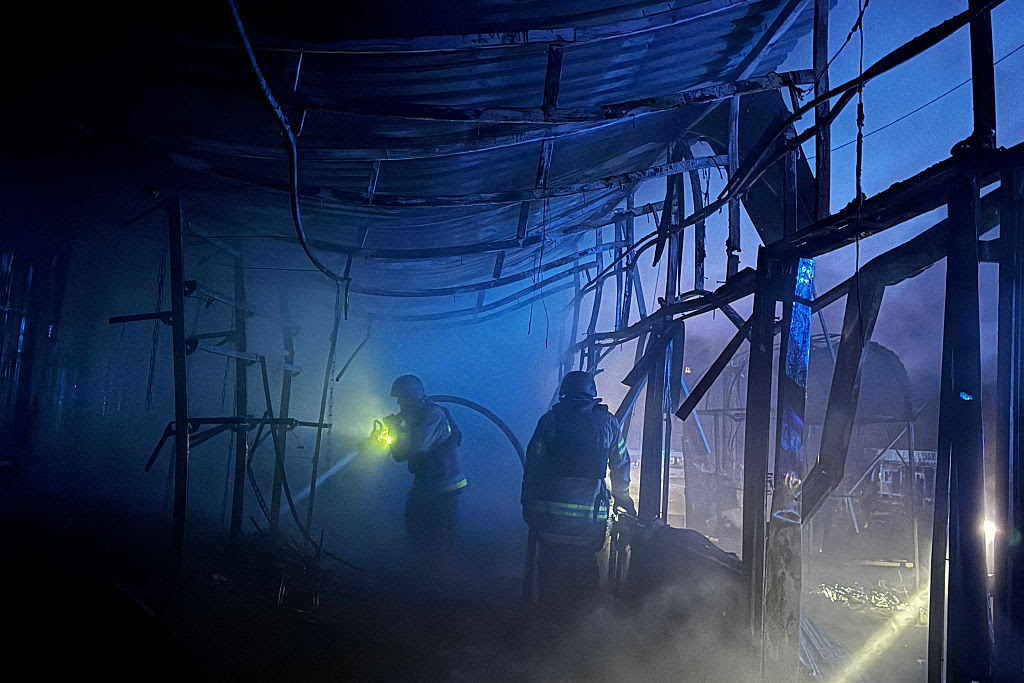
Five dead. You weren’t one of them—you were far enough away that the blast wave knocked you down instead of shredding you. Eight injured, including you. As medics load you into an ambulance, you see what’s left of the market: collapsed vendor stalls, scattered produce, crater in the pavement. Fire crews are already working on nearby apartment buildings the strike damaged.
Governor Fedorov confirms the casualties at 4:30 a.m. while you’re getting stitches at the hospital. Five high-rise buildings hit. The bomb landed at 3:40 a.m., he says. You check your watch, confused—it’s light out now, after 7 a.m. Then you realize: there were multiple strikes. The market bombing came later.
You live in Zaporizhzhia. This is normal now. You know which neighborhoods get hit most. You know what incoming ordnance sounds like. You know to shop early because markets are targets.
But knowing doesn’t stop the killing. It just makes the dying predictable.
𝗞𝘆𝗶𝘃 𝗶𝗻 𝘁𝗵𝗲 𝗗𝗮𝗿𝗸: 𝗦𝗶𝘅𝘁𝗲𝗲𝗻 𝗛𝗼𝘂𝗿𝘀 𝗪𝗶𝘁𝗵𝗼𝘂𝘁 𝗣𝗼𝘄𝗲𝗿
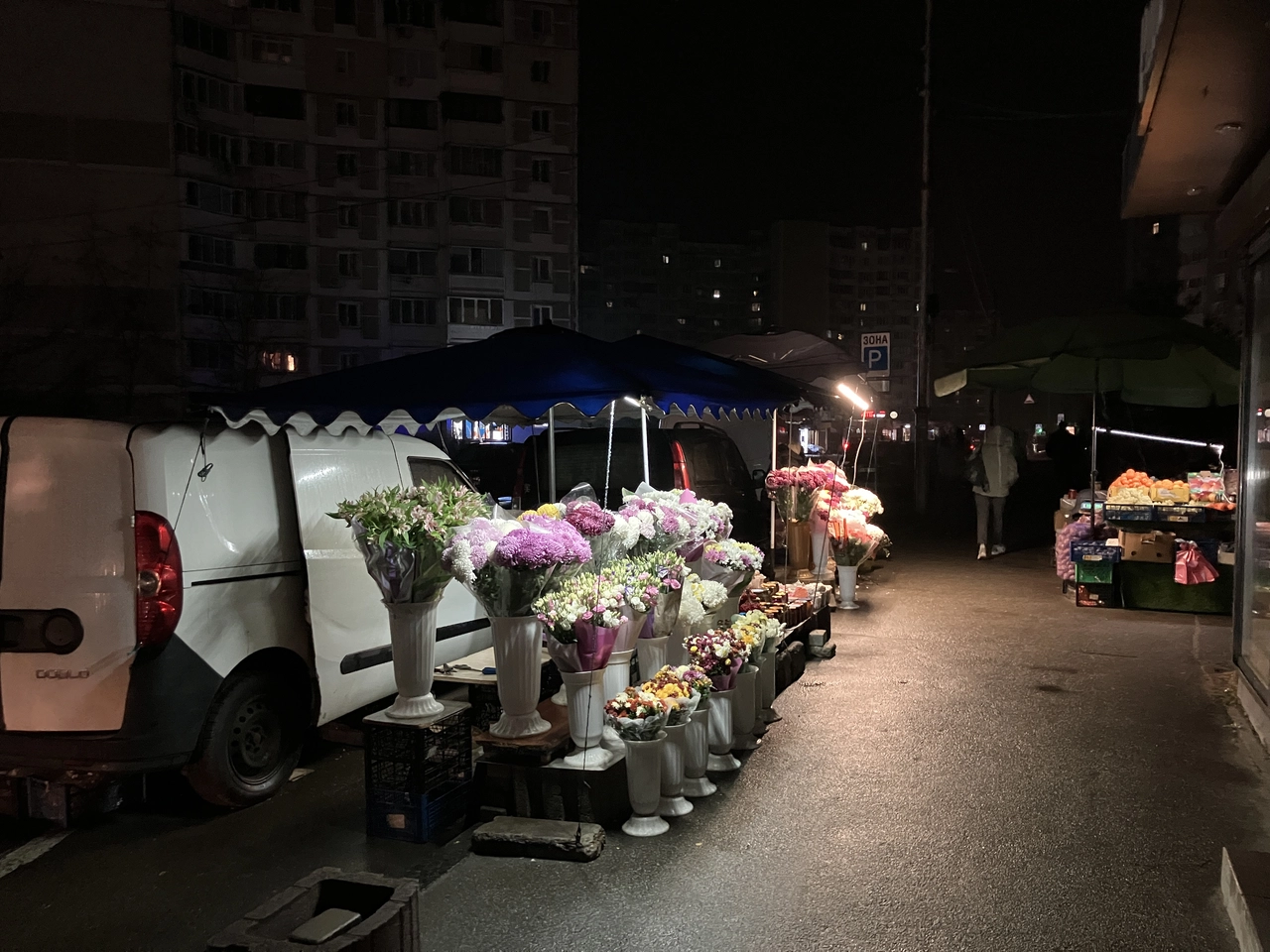
Feel the darkness close around you. You’re on Kyiv’s Left Bank—40 percent of the capital’s population lives here—and the power went out yesterday. It’s been sixteen hours. Your phone is at 8 percent. Your laptop died hours ago. Your refrigerator is warm.
You light candles. They flicker in the draft from poorly sealed windows. Outside, it’s near freezing. Inside isn’t much warmer—the heating works, somehow, on backup systems, but it’s not enough. You pile on sweaters.
Your neighbor knocks. She’s elderly, lives alone. “Do you have any way to charge my phone?” She needs to call her daughter in Lviv. You give her your power bank—you’ll need it tomorrow, but she needs it now.
Down on the street, someone’s set up a mobile coffee stand running off a generator. The owner is brewing espresso, charging phones, offering WiFi. You wait in line with a dozen others, breath visible in the cold air, sharing dark humor about how this is the longest blackout of 2024. Someone mentions it’ll continue tomorrow. You’re not surprised.
Ukrenergo announced rolling blackouts due to Russian strikes on energy infrastructure two days ago—48 missiles, 470 drones. They hit generation facilities across most of Ukraine. Four nuclear reactors had to reduce output when their power connections were severed. The system is hemorrhaging capacity faster than it can be repaired.
You check the schedule on your phone while you have WiFi: power returns at midnight, goes out again at 6 a.m. Six hours of electricity out of twenty-four. You plan your life around it now—cook when there’s power, charge everything, do laundry, then hunker down for eighteen hours of darkness.
This is Moscow’s strategy: can’t break Ukraine’s army, so break civilian morale instead. Make every day harder. Make people cold, frustrated, exhausted.
But you’re not breaking. You’re adapting. You, your elderly neighbor, the coffee vendor—all of you surviving together through the dark.
𝗧𝗵𝗲 𝗕𝗼𝘆𝘀 𝗪𝗵𝗼 𝗥𝗲𝗳𝘂𝘀𝗲𝗱 𝘁𝗼 𝗕𝗲𝗰𝗼𝗺𝗲 𝗘𝗻𝗲𝗺𝗶𝗲𝘀
You’re David, nineteen years old, sitting in a small interrogation room at a Russian checkpoint. The agent across from you is smirking. He has your phone. He knows you deleted photos. He’s implying drugs, suggesting he could plant them, warning you about jail time.
“Why did you delete these messages?” His voice is casual, friendly even. That’s what makes it terrifying.
You stick to your story: you’re visiting family in Russia. It’s a lie. You’re fleeing to Ukraine with your friend Nikolai because you both received military call-up notices. You refuse to fight for Russia. You won’t become what they want—a Ukrainian boy conscripted to kill other Ukrainians.
You remember the school director greeting your class after Mariupol fell: “Welcome, future defenders of Russia.” You remember the portrait of Putin on the wall. You remember thinking, Defenders of what? You heard the explosions on February 24, 2022. You saw your city besieged for weeks. Your friend Nikolai went to the theater bombing site afterward. He still remembers: mattresses, corpses, the smell of death, flies.
The interrogation drags on. Five hours. They question Nikolai separately, trying to catch inconsistencies. You’re terrified they’ll send you back to Mariupol, where refusing military service means two years in jail—or worse, being forced to sign a contract and sent to the front.
Then something shifts. The agent’s expression changes. He waves you through.
You and Nikolai walk out in disbelief. You’re crying—leaving your hometown forever, but you had no choice. You won’t fight against Ukraine. It’s your own country.
Later, in Kyiv, you learn Russia has conscripted over 46,000 Ukrainians from occupied territories. Your classmate couldn’t escape—he needs a passport, but getting one means visiting the enlistment office where he’d be drafted on the spot. He’s trapped.
You escaped. Tens of thousands of others remain, facing the same impossible choice you refused to make.
𝗧𝗵𝗲 𝗥𝗲𝗳𝗶𝗻𝗲𝗿𝗶𝗲𝘀 𝗕𝘂𝗿𝗻: 𝗥𝘆𝗮𝘇𝗮𝗻 𝗶𝗻 𝗙𝗹𝗮𝗺𝗲𝘀
You’re a resident of Ryazan, 180 kilometers southeast of Moscow. It’s past midnight when the explosion jolts you awake. Your windows rattle. You rush to the window and see it: orange glow on the horizon, flames climbing into the night sky.
The oil refinery is burning. Again. This is the second strike in less than a week.
You pull on clothes and step outside. Neighbors are gathering, pointing at the fire visible across the city. Someone says they heard the drones—that high-pitched whine before impact. Governor Malkov will claim it was just “falling debris” from air defense shooting down Ukrainian drones. Everyone knows that’s nonsense. The refinery is burning. Drones found their target.
This facility processes 17.1 million tons annually—gasoline, diesel, jet fuel. Crucially, it produces 840,000 tons of aviation kerosene yearly for Russian bombers. The same bombers that hit Ternopil. The same jets that launched the missiles killing civilians. Now their fuel source is on fire.
Commander Robert “Magyar” Brovdi of Ukraine’s Drone Systems Forces will confirm the strike in the morning. He’ll note that gasoline is gradually becoming scarce in Russia. You’re already seeing it at the pumps—higher prices, longer lines, stations running out.
By dawn, smoke still rises from the refinery. You watch firefighters working to contain it. Repair crews will need weeks to restore capacity. But you know—and they know, even if nobody says it—that as soon as this facility is operational, Ukraine will hit it again.
The war has come home. Ukrainian drones can reach 450 kilometers into Russia’s interior. If Kyiv can sit in darkness for sixteen hours, Ryazan can watch its refinery burn. The distance between frontline and homeland has collapsed.
You head back inside as dawn breaks. The sky is stained with smoke.
𝗙𝗼𝗴 𝗮𝘀 𝗔 𝗪𝗲𝗮𝗽𝗼𝗻: 𝗛𝘂𝗹𝘆𝗮𝗶𝗽𝗼𝗹𝗲’𝘀 𝗕𝗹𝗶𝗻𝗱 𝗙𝗶𝗴𝗵𝘁
You’re a Ukrainian drone operator near Hulyaipole, and your screen is useless. Fog rolled in before dawn, so thick you can barely see ten meters. Your quadcopter sits grounded—flying blind means crashing, and drones are expensive. Satellites can’t help. Your eyes in the sky are gone.
Then you hear them: motorcycle engines idling somewhere in the white murk. Footsteps. The metallic click of weapons being readied. Russian assault groups moving forward in small teams, using the fog as cover. They’re advancing because they know you can’t see them.
You radio your position: “Contact, approximate bearing northeast, 200 meters. Cannot engage.” The response crackles back: “Fall back to secondary positions.”
By midmorning, Colonel Voloshyn confirms what you already knew: Vesele is lost. Russian forces from the 114th Motorized Rifle Regiment advanced under fog cover and planted their flag. They also pushed into positions around Hulyaipole from multiple directions, trying to isolate the town.
You’ve seen this before. Russian forces used the same tactic near Hai—a soldier from their 36th Brigade admitted exploiting fog during that attack. When visibility drops to nothing, they advance. When it clears, Ukrainian drones rise like a swarm and the killing resumes.
The fog lifts by afternoon. You launch your drone immediately. Below, in positions the Russians seized at dawn, you spot movement. They’re trying to dig in, but now they’re exposed. You mark the coordinates. Artillery gets the call.
This is Zaporizhia’s paradox: weather gives Russia brief tactical advantage but holding ground under constant Ukrainian fire costs more than taking it. The question isn’t whether Russia can advance in favorable conditions—it’s whether they can sustain those gains once the fog lifts and your drone is circling overhead again.
You watch the artillery strike land on your screen. The fog is gone. So are several Russian soldiers who thought they’d found safety.
𝗣𝗼𝗸𝗿𝗼𝘃𝘀𝗸: 𝗧𝗵𝗲 𝗖𝗶𝘁𝘆 𝗧𝗵𝗮𝘁 𝗥𝗲𝗳𝘂𝘀𝗲𝘀 𝘁𝗼 𝗗𝗶𝗲
You’re clearing a building in southeastern Pokrovsk, moving room by room with two other soldiers. Somewhere in this city, more than 300 Russian soldiers are trying to hold positions they can barely supply. Russia has thrown 150,000 troops at this sector. Their progress is measured in floors, not kilometers.
Duck through this doorway. Check the corners. Listen. Always listen. That skittering sound—rat or Russian drone? You freeze. Everyone freezes. It passes. Just a rat.
The building shakes. A massive explosion outside—FAB-3000 glide bomb, has to be. They’re dropping those things daily now, 3,000 kilograms of explosives guided onto target. The blast craters entire blocks. But here’s the thing: it also creates more defensible positions. Rubble becomes cover. Destroyed buildings become fortresses.
You move to the window, careful not to silhouette yourself. Across the street, you spot movement in a collapsed structure. Russians. You signal your team. Your drone operator—third member of your unit—sends his FPV racing forward. Through the feed on his screen, you watch it navigate through the ruins, find the position, detonate. Mission complete. Move to the next building.
General Syrskyi calls the situation “tense but controlled.” The control means knowing every sight line, every kill zone, every route. Russian elite drone operators from Rubikon Center open gaps for infantry, but regular soldiers are too exhausted to exploit them. They advance, you eliminate them, the cycle repeats.
Night falls. The city goes quiet except for distant artillery. You’re exhausted. Tomorrow you’ll do this again—clear buildings, avoid drones, survive. Russia bleeds for every room they take. You bleed to deny them.
Pokrovsk has become a symbol: the city that refuses to fall, no matter how much Russia commits to taking it.
𝗞𝘂𝗽𝗶𝗮𝗻𝘀𝗸: 𝗧𝗵𝗲 𝗟𝗶𝗲 𝗧𝗵𝗮𝘁 𝗞𝗲𝗲𝗽𝘀 𝗥𝗲𝗽𝗲𝗮𝘁𝗶𝗻𝗴
Imagine being Chief of General Staff Valery Gerasimov, standing before Vladimir Putin at a military command post. You’re reporting another victory: “We have captured Kupiansk.”
It’s a lie. You know it’s a lie. Putin probably knows it’s a lie. But saying it makes it real in the official narrative, and that’s what matters in Moscow.
Back in actual Kupiansk, you’re a Ukrainian soldier conducting counter-sabotage operations against Russian reconnaissance groups that infiltrated the city. You recently cut off their infiltration routes from the north and cleared the northwestern outskirts. The city remains contested, not captured.
Russian milbloggers are complaining bitterly about this. They’re posting that there’s no objective footage demonstrating Russian forces control the settlement. They note that false claims of advance are a persistent problem in this direction. Communication from the 1st Guards Tank Army is “inconsistent, one-sided, and unconfirmed,” they write. Even pro-Russian commentators are calling out the lies.
But Gerasimov told Putin otherwise. So Russian state media reports Kupiansk as liberated. Maps get updated. Propaganda videos get made. The lie becomes official truth, even as you and your unit clear Russian saboteurs from the city’s edges.
You understand the pattern now: Russian forces attack near Petropavlivka, Pishchane, Stepova Novoselivka. They infiltrate, claim victory, post footage. Then Ukrainian counterattacks clear those positions. A week later, Russian officials claim the city again. The cycle repeats endlessly.
Your drone commander explains why Russia desperately wants Kupiansk: it would secure their logistics and enable deeper advances into Kharkiv Oblast. That’s why you refuse to yield it.
Ukraine’s General Staff issues a statement: “Kupiansk remains under Ukrainian control.” Simple. Direct. True.
But in Moscow, Gerasimov is already planning tomorrow’s briefing, where he’ll report holding what he doesn’t control, claiming what he hasn’t captured, and lying with a straight face to the man who demands victories that don’t exist.
𝗗𝗶𝗽𝗹𝗼𝗺𝗮𝗰𝘆 𝗨𝗻𝗱𝗲𝗿 𝗔𝘁𝘁𝗮𝗰𝗸
You’re Poland’s Ambassador Krzysztof Krajewski, walking down Nevsky Prospect in St. Petersburg on your way to Sunday Mass at the Catholic Church of St. Catherine. It’s Poland’s Independence Day. You’re wearing a suit, not a uniform. You’re a diplomat, protected by international law.
Then they surround you. Young men with cameras and banners—organized, coordinated, not spontaneous. “Terrorist!” they shout. “You’re supporting the death of Russians!” They’re moving closer, trying to intimidate, trying to get you to react. Your security guards tense up.
One of them reaches for you. Your Polish State Protection Service detail steps between you and the crowd, pushing back. It’s getting physical. For a moment you think they’re going to beat you right here on Russia’s most famous boulevard. Finally, your guards get you clear.
Later you’ll learn the men were activists from Volunteer Company, a group tied to United Russia’s youth wing. They receive state grants. This wasn’t spontaneous—it was organized. Russia wanted this to happen.
Back in Warsaw, officials are furious. Defense Minister Kosiniak-Kamysz calls the attackers “trained, hand-picked individuals” conducting provocation. Foreign Ministry summons the Russian chargé d’affaires, who offers a non-apology: such situations “should not occur.”
The same day, saboteurs—later confirmed as Ukrainian nationals working for Russian intelligence—blew up a Polish railway line connecting Warsaw to Ukraine’s border. Poland responds by closing Russia’s last remaining consulate in the country.
Meanwhile, Britain’s Defense Secretary John Healey reveals that Russian spy ship Yantar used lasers against RAF pilots tracking it near U.K. waters. “We see you,” Healey warns. “We know what you’re doing.”
And in Sweden, General Claesson tells Politico that Russia will soon test NATO’s Article 5: “The only language understood is force.”
You’re watching Europe realize what Ukraine has known since 2014: diplomacy without consequences is just conversation. Russia respects only strength.
𝗧𝗵𝗲 𝗧𝗮𝗻𝗴𝗶𝗯𝗹𝗲 𝗮𝗻𝗱 𝘁𝗵𝗲 𝗧𝗿𝗮𝗴𝗶𝗰
While diplomats debate peace terms, tangible commitments arrive on Ukrainian soil. You’re a soldier with the 156th Anti-Aircraft Missile Regiment, and your unit just received something Britain promised fifteen months ago: a Terrahawk Paladin mobile air defense system.
You run your hand along the 40mm Bushmaster II cannon. This thing can track and destroy air, ground, even sea targets at short range. It’s mobile, sophisticated, exactly what you need against the Shaheds that fly over nightly. Former Defense Minister Shapps promised it would “protect civilians from Putin’s barbaric bombing campaign.” You hope he was right.
Germany’s Chancellor Merz announces long-range weapon systems for Ukraine—”long-range fire,” he calls it, declining to specify whether that includes Taurus missiles. “Russia should remain uncertain about the extent of our support,” he says. You appreciate the ambiguity even if you’d prefer concrete commitments.
Poland’s Foreign Minister Sikorski pledges $100 million through the PURL initiative—direct weapons purchases, no bureaucratic delays. That’s real money buying real ammunition.
But then the tragic: In Dnipro, Russian drones destroyed 10,000 UN food kits meant for civilians near the front line. The warehouse burned. This is the 61st time in eighteen months that UN facilities or vehicles in Ukraine have been struck. Attacking humanitarian infrastructure is a war crime under international law, but the strikes continue regardless.
Near Lyman, you hear about a U.S. volunteer with the White Angels evacuation team—they rescue civilians from near the front—taking shrapnel to the face when a Russian drone hit their vehicle. Ukrainian journalist Serhiy Horbatenko suffered blast trauma in the same attack. They were saving people.
And somewhere in a morgue, Ukrainian officials are processing 1,000 bodies that Russia claims are Ukrainian soldiers. Ukraine suspects some are actually Russian dead, passed off to hide Moscow’s casualty figures from its own public.
The tangible commitments give you hope. The human costs remind you why they’re necessary.
𝗧𝗵𝗲 𝗡𝘂𝗰𝗹𝗲𝗮𝗿 𝗘𝗱𝗴𝗲: 𝗪𝗵𝗲𝗻 𝗣𝗼𝘄𝗲𝗿 𝗣𝗹𝗮𝗻𝘁𝘀 𝗕𝗹𝗲𝗲𝗱
You’re an engineer at the Khmelnytskyi Nuclear Power Plant, and your control room screens are showing reduced output on both reactors. A high-voltage power line was just severed by Russian strikes nearby. You’re running on backup systems now, scaling down production to maintain stability.
This isn’t theoretical. You’re managing live nuclear reactors while missiles fly overhead. One wrong move, one miscalculation, and this becomes Chernobyl.
The IAEA confirms four of Ukraine’s nine operating reactors had to reduce output on November 20. Both units at Khmelnytskyi. Both at Rivne. One at South Ukraine plant. Eleven drones passed within a kilometer of South Ukraine’s facility overnight—close enough that your counterparts there had to seek shelter during the attack.
Russia isn’t striking the reactors directly—that would risk nuclear catastrophe and international intervention. Instead, they’re targeting surrounding infrastructure: power lines, transformer stations, backup systems. Death by a thousand cuts. Force the reactors to reduce output without triggering the disaster that would bring NATO into the war.
You do the math: Ukraine had 36 gigawatts of actual capacity before the invasion. Nuclear provided about a quarter. Now, with thermal plants destroyed and four reactors running at reduced capacity, you’re hemorrhaging power. Hence the sixteen-hour blackouts. Hence Kyiv sitting in darkness. Hence the energy crisis that U.S. officials cite as justification for urgent peace negotiations.
Your phone buzzes—another air raid alert. You check the screens: all systems stable, backup generators ready, emergency protocols active. You’ve done this drill dozens of times. But it never stops being terrifying. One direct hit and you’re managing a nuclear emergency during wartime.
Outside, air defense systems light up the sky. Inside, you watch your instruments and pray the Russians’ aim stays deliberately imperfect. They want to cripple Ukraine’s energy, not create a radioactive wasteland. The margin between those two outcomes feels razor-thin.
𝗧𝗵𝗲 𝗖𝗲𝗻𝘁𝗲𝗿 𝗖𝗿𝘂𝗺𝗯𝗹𝗲𝘀: 𝗬𝗲𝗿𝗺𝗮𝗸 𝗦𝘁𝗮𝘆𝘀
You’re a Servant of the People lawmaker walking into the November 20 faction meeting. You know what needs to be said: Chief of Staff Andriy Yermak must go. The corruption scandal—Timur Mindich, Energoatom, the whole rotten apparatus—traces back to the President’s Office. Ten lawmakers reportedly signed an open letter demanding change. You’re one of them.
Zelensky arrives with Yermak beside him. That’s your answer before questions are even asked. The president tries to dodge, explaining obliquely that Yermak executes his orders, he’s the right-hand man. Who wants to cut off their own right hand?
You want to ask: What about accountability? What about Mindich using his “friendly relations” with Zelensky to orchestrate massive theft from state nuclear company? What about former Energy Minister Halushchenko and current Security Council Secretary Umerov allegedly helping Mindich “obtain significant sums”? What about the back office where money was laundered, located in a building that former ARMA head Olena Duma visited?
But you stay quiet. Everyone does. The room feels awkward, you’ll tell journalists later. Not like a united team. Everyone afraid to say anything extra or out of line.
The message is clear: everything stays as it is. No changes. Yermak remains. The President’s Office maintains control. Parliament’s authority remains subordinated. Cabinet decisions still flow through presidential approval.
After the meeting, Zelensky says parliament “must be functioning” and the priority is “constructive diplomatic process” with the United States. But you know—and he knows—that his grip on the faction is weakening. The party holds 229 seats but struggles to reach 226 votes for legislation. Some lawmakers are considering leaving.
You walk out frustrated. The scandal unfolds while battlefield losses mount and Trump pushes an unfavorable peace deal. Ukraine needs unity and strong leadership. Instead, you got evasion and preservation of the status quo.
The center might not hold much longer.
𝗪𝗵𝗲𝗿𝗲 𝗘𝗹𝘀𝗲 𝗧𝗵𝗲 𝗪𝗮𝗿 𝗕𝘂𝗿𝗻𝗲𝗱
You’re everywhere and nowhere on November 20. You’re the Russian pilot launching 135 Shaheds from Kursk, Oryol, Bryansk, Crimea—watching drones stream toward Ukraine like locusts. You’re the Ukrainian air defense operator who shoots down 106 of them, exhausted but focused, knowing the 29 that get through will kill civilians.
You’re in Vovchansk, where Russian forces from Chechen battalions fight house to house, claiming advances in southern districts that Ukrainian defenders dispute. You’re near Lyman, where Russian motorcycle assaults—ten bikes destroyed—tried to break through and failed. You’re in Siversk, where Russian forces claim 20 to 25 percent control but can’t push deeper without mechanized assaults they haven’t launched yet.
You’re in Kostyantynivka when another glide bomb hits, precision terror against apartment blocks. You’re the FPV drone operator striking back, hunting Russian positions in the rubble. You’re in dozens of villages whose names most people can’t pronounce—Stepova Novoselivka, Borivska Andriivka, Ivano-Darivka—trading fire across landscapes that look the same everywhere: churned mud, destroyed buildings, tree lines turned to splinters.
You’re west of Zaporizhzhia near Orikhiv, where Russian forces are reinforcing and using more unmanned ground vehicles—though communications issues limit their effectiveness. You’re near Kherson on the west bank, where a Russian infiltration near Odradokamyanka was attempted and likely failed.
You’re the pattern: Russian attacks across a thousand-kilometer front, small gains here, reversals there, but mostly just attrition. Bodies for meters. Exhaustion for time. The war spreads everywhere but advances nowhere decisively.
You’re the civilian caught in the crossfire when drones hunt cars on empty highways. You’re the artillery crew firing shells you can barely count anymore. You’re the medic treating wounds you’ve seen too many times. You’re the war itself—grinding, relentless, everywhere at once, and somehow still continuing after 1,361 days because no one has found the way to stop it.
𝗪𝗵𝗮𝘁 𝗡𝗼𝘃𝗲𝗺𝗯𝗲𝗿 𝟮𝟬 𝗥𝗲𝘃𝗲𝗮𝗹𝗲𝗱
Stand back from the day and see its shape. In Washington, diplomats drafted terms that would reward Russia for failing to achieve military victory. In Ternopil, rescuers dug through rubble searching for 22 people who might not be alive. In Kyiv, millions sat in darkness for sixteen hours. In Zaporizhzhia, five more civilians died in a market bombing. In Mariupol, teenagers fled conscription into an army that destroyed their city. In Ryazan, refineries burned. In Hulyaipole, fog became a weapon. In Pokrovsk, soldiers fought room by room. In Kupiansk, Russian generals lied about victories they hadn’t won.
The day exposed the war’s brutal arithmetic: Russia cannot force Ukraine’s capitulation through military means, but Ukraine cannot force Russia’s withdrawal without support the West debates providing. The result is stalemate disguised as process—movement that goes nowhere, combat that decides nothing, casualties that accumulate without resolution.
Trump’s peace plan offers urgency without wisdom, proposing to end the war by giving Russia what it couldn’t take. But urgency serves the aggressor when the victim still fights. Every day of pressure weakens Ukraine’s position while its soldiers hold ground Putin’s armies can’t seize.
Europe signaled resistance—Kallas demanding involvement, Claesson warning Article 5 will be tested, Poland committing funds, Germany pledging weapons. But European words don’t carry American weight, and Trump seems determined to force terms regardless.
The fog lifted over Hulyaipole. The blackouts continued in Kyiv. The rescue operation entered its fourth day in Ternopil. The refineries kept burning in Russia. The war ground forward with its own momentum, indifferent to peace plans drafted by those who don’t have to live with consequences.
November 20 revealed what many already knew: peace requires more than documents. It requires one side willing to accept less than victory, or one side forced to accept defeat. Neither condition exists. So the war continues—through fog and darkness, through diplomatic pressure and grinding combat, through 1,361 days and counting, waiting for reality to shift or exhaustion to decide what violence cannot.