
In the Kremlin, Putin rejected American peace proposals after five hours of theater while claiming Russian forces had seized cities Ukrainian defenders still held—the 1,378th day when Moscow chose maximalist demands over compromise, guaranteeing the war’s continuation through another brutal winter.
The Day’s Reckoning
Imagine the scene: A conference room in the Kremlin where Vladimir Putin sat across from American envoys for nearly five hours, the air thick with the pretense of negotiation. Outside those walls, Ukrainian soldiers held their ground in Pokrovsk against waves of Russian assaults. In Dnipro, mothers counted seconds between air raid sirens. Across Europe and America, diplomats and analysts watched for any sign that this war might finally end.
Putin delivered what he had always intended: rejection wrapped in diplomatic language; ultimatum dressed as compromise. No breakthrough. No concessions. Just the cold promise that Russia’s war would continue until Ukraine ceased to exist as an independent state.
But before the meeting even began, Putin staged a performance. He kept the American delegation waiting while he spoke at an investment forum, claiming Russia had already won—that Russian forces had seized Pokrovsk, Vovchansk, and Kupyansk. Ukrainian officials said otherwise. Even some Russian military bloggers disputed the claims. Truth didn’t matter. The narrative did.
This was cognitive warfare at its finest: exaggerate victories, threaten Europe with war, blame everyone else for negotiation failures, then sit down and reject peace proposals while appearing reasonable. The day revealed Putin’s calculation unchanged—that time favors Russia, that Ukraine and the West will eventually exhaust themselves, that brutal persistence wins wars of attrition.
By midnight, nothing had changed. The war would grind forward.
The Theater Before the Rejection
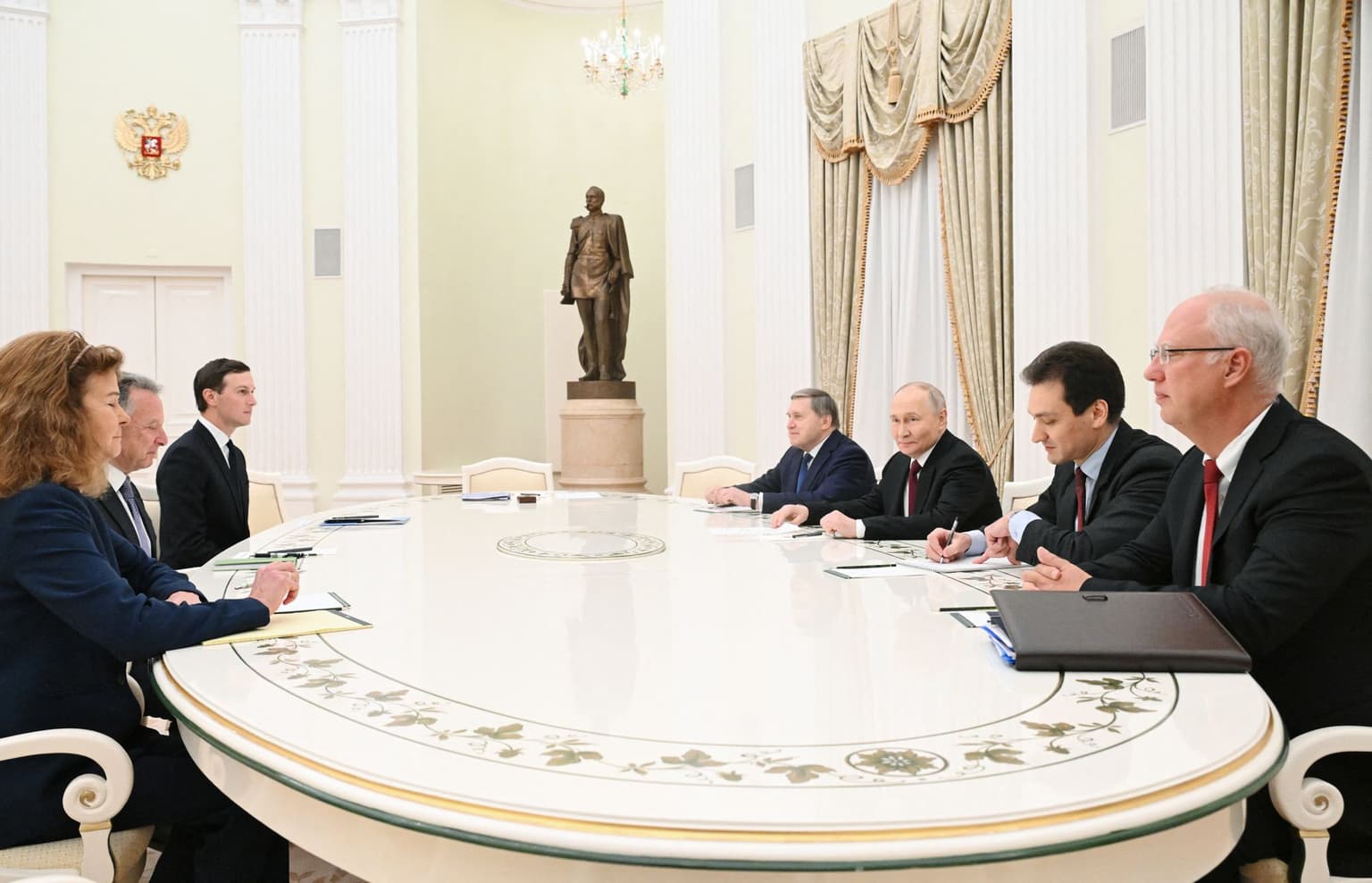
Putin kept them waiting. Steve Witkoff, Trump’s special envoy to the region, and Jared Kushner, the president’s son-in-law, had flown to Moscow with revised peace proposals. The meeting was scheduled for 5 p.m. at the Kremlin.
Putin had other plans.
Hours before the Americans arrived, the Russian president appeared at the VTB Investment Forum several miles away. The venue was packed with Russian business elites, government officials, and carefully selected foreign investors. Putin took the stage and delivered a speech designed not for the audience in front of him, but for the negotiators who would soon sit across from him.
Russia’s economy was thriving despite sanctions, he claimed. Unemployment at 2.2 percent. Inflation reduced to seven percent. The federal budget solid through 2028. Trade with China and India booming. Russia could sustain this war indefinitely.
Then came the military claims. Russian forces had seized Pokrovsk, a critical logistics hub in eastern Ukraine. They had captured Vovchansk in the north. Kupyansk was theirs. The offensive was unstoppable. Victory inevitable.
None of it was entirely true. Ukrainian forces still fought in all three cities. But Putin wasn’t speaking to military analysts. He was setting the stage for rejection—portraying Russia as winning decisively, negotiating from overwhelming strength, accepting nothing less than total victory.
Finally, he issued threats. Russia stood “ready right now” for war with Europe if European states wanted it. The conflict in Ukraine was being conducted “surgically,” he said, threatening by implication that war with NATO would unleash Russia’s full force.
Only then did he leave for the Kremlin. The Americans had been waiting for hours.
Five Hours, Zero Compromise
The meeting stretched past midnight—four hours and forty-five minutes of discussions that Kremlin aide Yuriy Ushakov would later characterize as “constructive” and “substantive” yet reaching “no compromise.”
The careful diplomatic language couldn’t disguise the fundamental reality: Putin had rejected the American-Ukrainian peace proposal. Just as he had rejected every previous version. Just as he would reject any framework that didn’t grant Russia everything it sought when it launched this war.
Ushakov emerged to brief reporters. Some American proposals were “more or less acceptable,” he said. Others were not. The parties had discussed only the “essence” of documents, not specific wording. Territorial issues came up. So did prospects for US-Russian economic cooperation. Both sides agreed not to disclose the substance of talks—an arrangement allowing Putin to reject proposals while blaming Europe for inserting “unacceptable” elements.
An unnamed Russian official, speaking before the meeting, had outlined Moscow’s three non-negotiable demands: all territory in Donetsk and Luhansk provinces, severe limits on Ukraine’s military capabilities, and Western recognition of Russia’s occupation. On these pillars, Russia would not budge. Everything else? Secondary issues Moscow might show flexibility on—frozen assets, sanctions relief, economic deals.
Translation: Russia wanted Ukraine’s surrender, not a compromise.
When reporters asked about next steps, Ushakov mentioned “continued contacts” with Washington. Whether Trump and Putin would meet depended on progress in future talks. Witkoff and Kushner, he claimed, would fly home to Washington rather than continue to Kyiv.
Five hours of theater. Zero movement toward peace.
The Lies Putin Told
Before meeting the Americans, Putin had constructed an alternate reality where Russia was already winning decisively. The claims came fast: Pokrovsk captured. Vovchansk seized. Kupyansk fallen. Russian forces advancing inexorably across the front.
Ukrainian Commander-in-Chief General Oleksandr Syrskyi told a different story. Ukrainian forces were clearing Russian troops from Kupyansk, blocking infiltration attempts. Ukrainian officials reported that defenders maintained positions within both Vovchansk and Pokrovsk. Even Russian military bloggers acknowledged Ukrainian forces remained in northern Pokrovsk, fighting block by block.
Putin’s exaggerations weren’t mistakes—they were strategy. He needed Western negotiators to believe Russian victory was inevitable, that resistance was futile, that accepting Moscow’s demands now would at least end the bloodshed. The gap between Putin’s claims and battlefield reality didn’t matter if the lies shaped perceptions.
He portrayed Pokrovsk as strategically vital—a “good base” for achieving all his war objectives, offering the ability to advance “in any direction.” The truth was more complex. Ukrainian forces had built extensive fortifications west and north of the city. Russian forces had exploited fog and rain to advance when Ukrainian drones couldn’t fly, but that weather wouldn’t last. The terrain complicated Russian maneuvers. Previous Russian attempts to widen narrow penetrations had failed.
More importantly, Russia had already achieved Pokrovsk’s main operational value back in July, when Russian forces advanced close enough to deny Ukraine use of the town as a logistics hub. Capturing the ruins wouldn’t dramatically alter the war’s trajectory. Russian forces hadn’t breached Ukraine’s main defensive line—the “Fortress Belt” of large cities Russia hadn’t captured since 2022.
But Putin needed the narrative of inevitable victory. Truth was expendable.
The Economy Putin Pretended Was Fine
At the investment forum, Putin painted a picture of Russian economic resilience. External pressure had impacted Russia, he acknowledged, but the economy was “successfully coping.” Growth had slowed, but only because the Central Bank raised interest rates to combat inflation. The federal budget was designed to weather external risks through 2028. Everything was under control.
The actual numbers told a different story.
Inflation wasn’t the seven percent Putin claimed—it was running around 20 percent. The Ministry of Finance projected oil and gas revenues would drop 50 percent in 2026 compared to 2025. Russia’s sovereign wealth fund had been steadily depleted funding the war. In late November, Russia began selling physical gold reserves for the first time—a desperate measure when liquid reserves run dry.
Putin had signed a law days earlier increasing the Value Added Tax from 20 to 22 percent, trying to shore up budget deficits. Russia’s “low” unemployment of 2.2 percent actually indicated severe labor shortages driving wage inflation in both civilian and defense sectors. The shortages were so bad Russia had resorted to importing North Korean workers. Putin’s new executive order waiving visa requirements for Chinese nationals suggested Russia was preparing to import Chinese labor too.
Regional authorities were reducing one-time military recruitment payments—not because volunteers were flooding in, but because local budgets couldn’t sustain the spending. Russia had begun compulsory recruitment of reservists to fill the gaps.
This wasn’t an economy successfully coping. This was an economy consuming itself to sustain an unsustainable war, burning through reserves and hoping the other side collapsed first.
Blame Europe, Threaten Europe, Isolate Europe
Putin’s strategy required Europe’s exclusion from peace negotiations. So, he spent the day attacking European involvement while threatening consequences if Europe didn’t back down.
At the forum, Putin claimed Europe was sabotaging Trump’s peace efforts. European governments had created proposals with points “completely unacceptable” to Russia. Europe could only return to negotiations if it accepted “realities on the ground”—Kremlin code for Russian battlefield advances and occupation.
After the meeting with Americans, Ushakov echoed the theme: European leaders were engaged in “destructive actions” in the peace process. The message was clear—Russia would negotiate with Washington, but only if America sidelined its European allies and pressured Ukraine to accept Russian demands.
Then came the threats. Putin warned Russia stood “ready right now” for war with Europe if European states sought it. The threat came with nuclear implications—a situation would “quickly arise,” he said, in which Russia would “have no one to negotiate with.” He claimed Russia’s war in Ukraine was conducted “surgically” and “carefully,” threatening by implication that war with NATO would unleash Russia’s full military, economic, and societal mobilization.
Russian lawmakers amplified the message. Duma deputies warned of a “dangerous trend” toward European militarization, threatening that “the more you play with fire, the higher the risk of a conflagration.” Another claimed Europe was trying to protract the war until it erupted between Russia and Europe.
The strategy was transparent: deter European defense preparations by portraying them as provocative, undermine European involvement in peace negotiations, drive wedges between America and Europe, and create fear of escalation that would pressure European governments to accept Russian terms.
The Eyes Go Blind
Somewhere in occupied Donbas, Russian air defense crews never heard the Ukrainian drones coming. The first explosion tore through an S-300 launcher—the kind of Soviet-era system designed to swat aircraft from the sky. Seconds later, two radar stations erupted in flames. The spinning dishes that had tracked Ukrainian aircraft across the region went dark.
Picture the Russian operators scrambling from bunkers, staring at wreckage that moments before had been their umbrella against Ukrainian air power. Millions of rubles worth of equipment reduced to twisted metal and electrical fire. But more than that—blind spots. Gaps in coverage. Windows where Ukrainian pilots and drones could slip through undetected.
Ukraine’s military intelligence announced the strikes with clinical precision: “Such strikes significantly reduce the ability of Muscovites to control the airspace over Donbas and create conditions for new air operations.”
Translation: Russia’s air defense network was being dismantled piece by piece.
This was the hidden war—the one that didn’t grab headlines but determined who controlled the skies. Every destroyed radar meant Ukrainian drones flew a little safer. Every shattered launcher meant Ukrainian aircraft could operate a little closer to Russian lines. Russia could replace the systems, eventually, but not quickly enough to matter for tomorrow’s strikes.
While Putin postured about inevitable victory in Moscow conference rooms, Ukrainian operators were methodically destroying the infrastructure that made Russian advances possible. The war wasn’t just about holding ground. It was about breaking Russia’s ability to see, to strike, to dominate airspace.
In occupied Donbas, smoke still rose from the wreckage. Ukrainian pilots checked their mission boards and saw new targets suddenly within reach.
While Diplomats Talked, Soldiers Fought
As Putin sat in the Kremlin performing diplomatic theater, real war continued across hundreds of miles of front lines. Russian forces pressed forward in multiple sectors, exploiting fog that grounded Ukrainian drones. Ukrainian defenders held critical positions despite the pressure. People died in places Americans couldn’t pronounce, fighting over terrain that looked like any other field or ruined village.
Near Pokrovsk, the situation remained “difficult” but Ukrainian forces maintained presence in both Pokrovsk and nearby Myrnohrad. Russian troops attempted small-group infiltrations from southern to northern Pokrovsk. Ukrainian Special Operations Forces struck a concentration of Russian personnel in the northern part of the city. The fight was measured in blocks and buildings, not dramatic breakthroughs.
Around Kupyansk in the north, Ukrainian forces had pushed Russian troops from northern outskirts back to the Oskil River. They cleared northwestern areas. Ukrainian logistics continued operating despite Russian glide bomb, drone, and missile strikes. Russian forces kept trying to infiltrate. Ukrainian forces kept clearing them out. The city changed hands in pieces, street by street, neither side able to claim total control.
In the industrial cities of Kostyantynivka and Druzhkivka, Russian forces made confirmed advances in some areas while Ukrainian forces refuted false Russian claims in others. The Ukrainian 11th Army Corps noted Russian tactics of raising flags during brief infiltrations that didn’t actually change terrain control—propaganda victories that existed only online.
Across western Zaporizhia Oblast, Russian forces exploited foggy weather to advance near Hulyaipole and surrounding areas. When visibility returned and Ukrainian drones took flight again, the tactical picture would shift.
None of these battles would appear in Putin’s triumphant narrative. But they would determine whether his theory of inevitable victory held.
The Shadow Fleet Burns
While Moscow’s diplomats negotiated in the Kremlin, Ukraine’s long-range campaign against Russian economic infrastructure continued. The message was clear: Russia might advance on the ground, but Ukraine could strike deep into Russian territory whenever it chose.
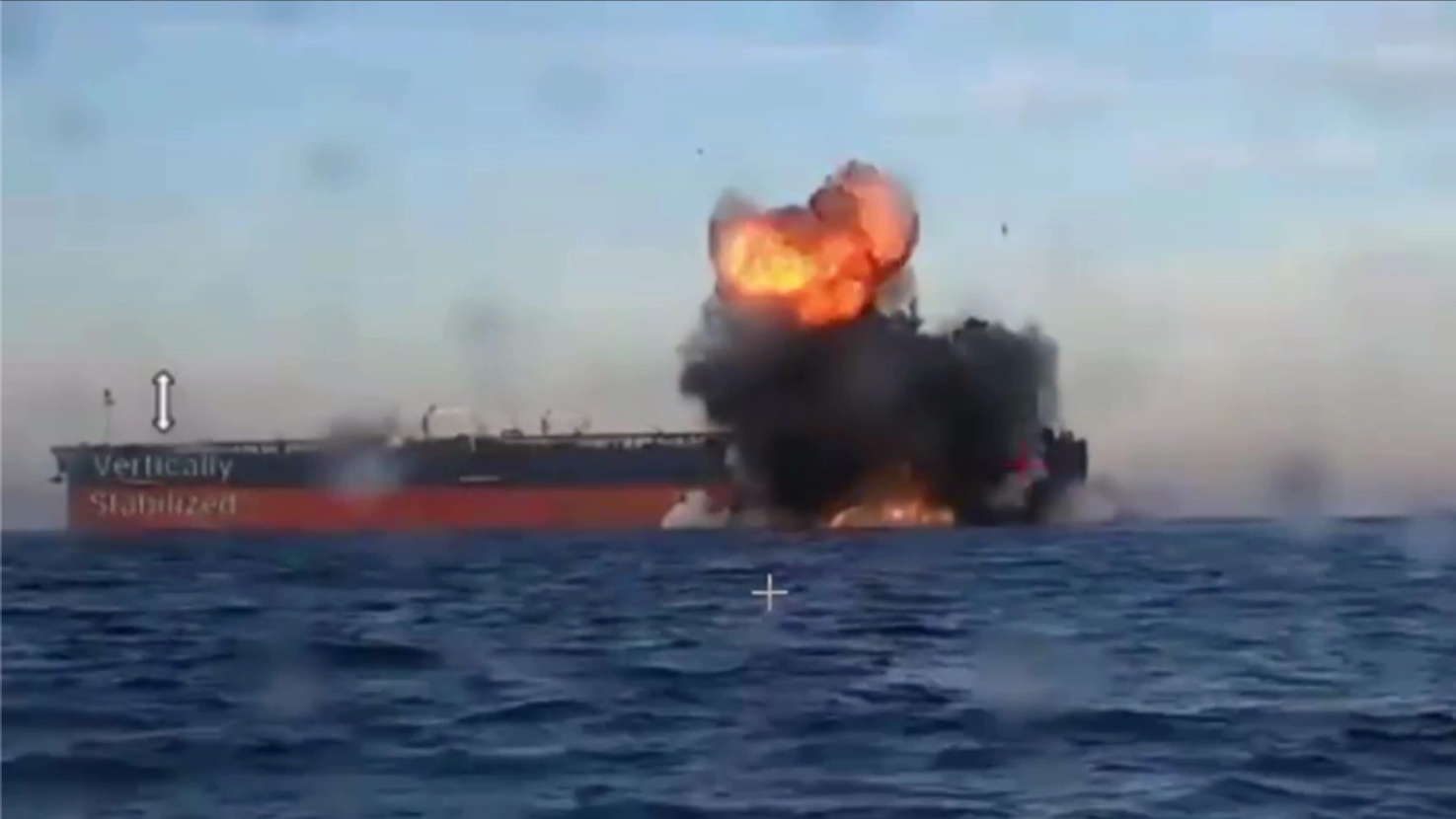
A Turkish-flagged tanker, the MIDVOLGA-2, reported being attacked 80 miles off Turkey’s coast while transporting sunflower oil from Russia to Georgia. Turkey’s Transport Ministry confirmed the incident. Bloomberg reported it was struck by sea drones. Ukrainian Foreign Ministry spokesperson Heorhii Tykhyi denied Ukrainian involvement, suggesting Russia might have staged the incident. The ship’s route from Russia to Georgia via Turkey’s exclusive economic zone made little sense, he noted.
The attack followed a string of strikes against Russia’s “shadow fleet”—vessels that skirt sanctions to sell Russian oil abroad. Days earlier, two tankers, Kairos and Virat, had been hit near the Bosphorus. An SBU source confirmed those attacks used Ukrainian “Sea Baby” naval drones. Another tanker suffered four explosions near Dakar, Senegal, though details remained murky.
Putin responded with threats. Russia might expand strikes against Ukrainian ports and ships. Russia might strike vessels of countries helping Ukraine attack Russian vessels. The “most radical” option, Putin said, would be to “cut Ukraine off from the Black Sea”—threatening to seize Odesa and Mykolaiv provinces entirely.
Even Russian military bloggers acknowledged such operations were “currently impossible.” Russia wasn’t positioned to cross the Dnipro River or advance westward toward Odesa. But the threat served its purpose—maintaining maximum pressure while negotiations proceeded.
Ship managers told Bloomberg they would stop sending vessels to Russian ports amid fears of attack. Insurance costs were rising. Russia’s maritime exports faced new uncertainties. Ukraine’s campaign was working.
The Drone That Hunts the Hunter
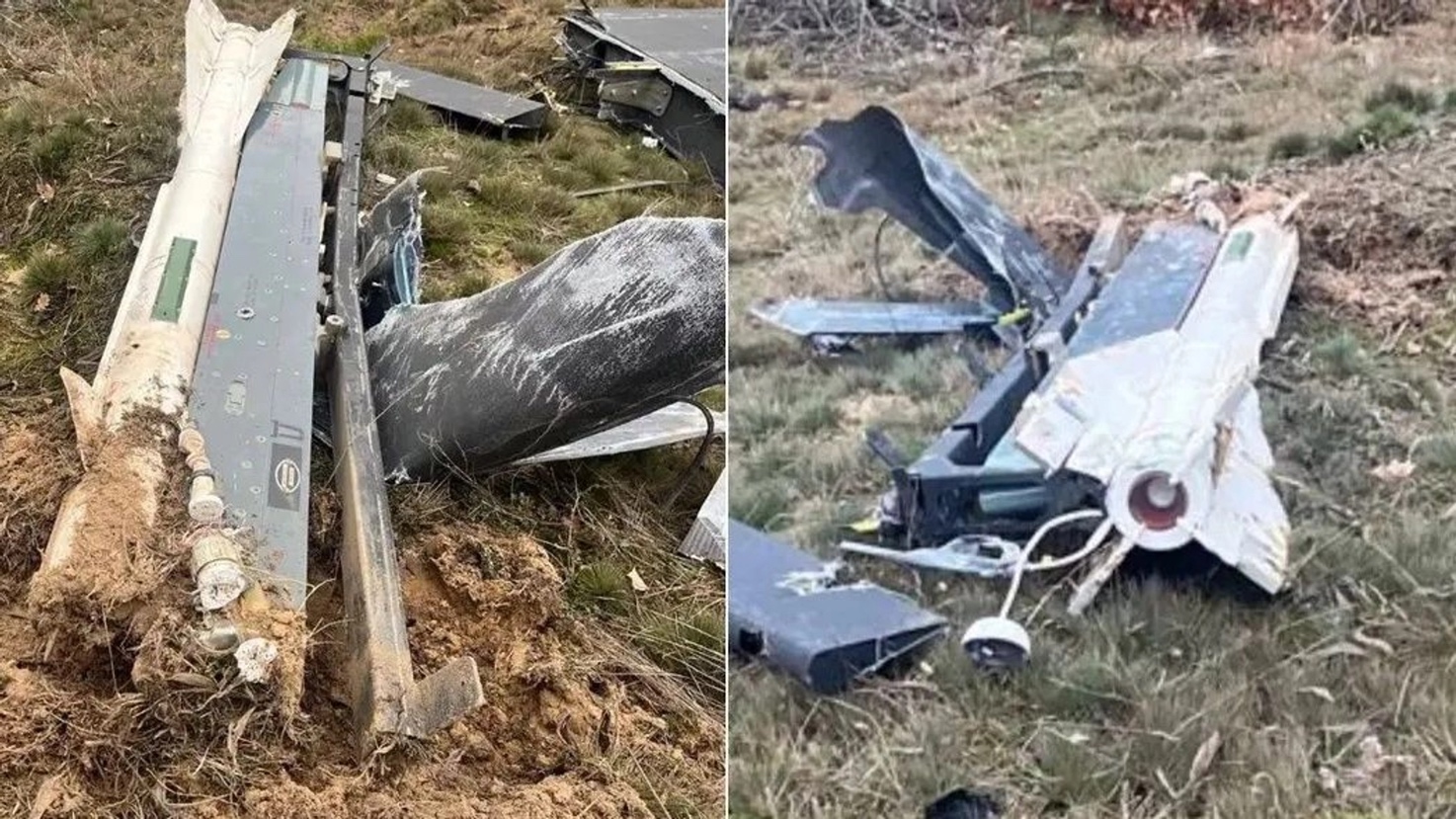
Russian forces unveiled a tactical adaptation with potentially strategic implications. They had modified their Iranian-made Shahed drones to hunt the hunters—targeting Ukrainian air defenders themselves rather than just infrastructure.
Ukrainian electronic warfare expert Serhiy “Flash” Beskrestnov reported that Russian forces were striking Ukrainian mobile fire teams in moving vehicles with Shaheds. A Russian military blogger noted that recent modifications—particularly cameras—allowed operators to directly control the drones in real-time rather than flying preplanned routes. This made hunting Ukrainian air defense systems far easier, especially in rear areas.
Beskrestnov had previously reported that Russian forces equipped Shaheds with R-60 air-to-air missiles to destroy Ukrainian helicopters and aircraft that hunted drones. The supersonic missiles, dating back to Soviet times, used infrared homing that didn’t require radar. Ukrainian aircraft and helicopters had been successfully shooting down Russian drones. Now the drones could shoot back.
These adaptations would likely degrade Ukraine’s rear-area air defenses and increase the effectiveness of Russian strike campaigns against Ukrainian infrastructure and military targets. Ukraine had consistently developed countermeasures to Russian innovations, but each adaptation created windows of vulnerability before counters emerged.
On the night of December 1-2, Russian forces launched 62 Shahed and other drones against Ukraine from multiple directions. Ukrainian air defenses downed 39. Twenty struck targets in eight locations, hitting residential and energy infrastructure across four provinces. In Odesa, 36,300 users lost power. In Dnipro, a Russian ballistic missile killed four people and wounded dozens more.
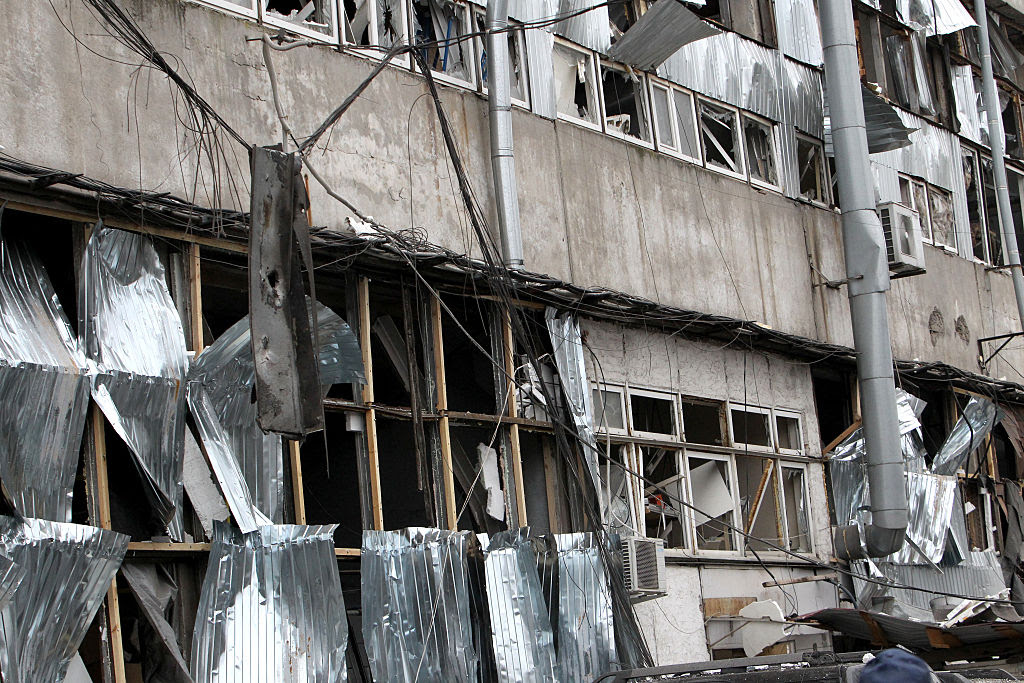
The war of innovation continued. Each side adapted. Each side countered. People died in the process.
The British Spy Who Came for Easy Money
In Kyiv, Ukrainian security services arrested a British citizen who had come to Ukraine as a military instructor but allegedly turned Russian spy seeking “easy money.”
Ross David Cutmore, reportedly a former British soldier deployed to the Middle East, arrived in early 2024 to train Ukrainian soldiers in firearms and tactical skills. Several months later, he left the job and reached out to Russian intelligence services. According to the SBU, he was passing information about Ukraine’s military to Russia and plotting unspecified “terrorist attacks.”
An FSB handler tasked him with collecting information about other foreign military trainers and the coordinates of Ukrainian training centers. Throughout summer and fall, Russia had carried out deadly strikes on Ukrainian training facilities, killing soldiers and prompting criticism of inadequate security measures. Whether Cutmore’s intelligence contributed to these strikes remained unclear.
The SBU claimed Cutmore received instructions on building improvised explosive devices and the location of a weapons cache, from which he retrieved a sidearm and ammunition. Counterintelligence officers detained him at his residence in Kyiv.
The British Foreign Ministry confirmed it was providing consular assistance to a detained British citizen and remained in contact with Ukrainian authorities. Cutmore faced up to 12 years in prison if convicted.
The case highlighted the war’s espionage dimensions—foreign volunteers who came to help Ukraine, and the FSB’s efforts to recruit them. Some came motivated by idealism or adventure. Some grew disillusioned. And some, allegedly, decided that spying for Russia paid better than training Ukrainian soldiers.
The Shield at the Gateway
The Patriot missiles arrived in Poland on flatbed trucks, sleek and menacing, each interceptor worth nearly five million dollars. Dutch soldiers positioned them around Rzeszów-Jasionka Airport—a regional airfield that had become something far more important: NATO’s lifeline to Ukraine.
Stand on the tarmac here and watch the parade. American C-17 Globemasters touching down, cargo ramps dropping, Humvees and artillery pieces rolling out. European cargo planes stacked in holding patterns overhead. Trucks lined up on access roads, waiting to haul weapons south across the border. Ninety-five percent of military equipment flown into Poland for Ukraine passed through this single airport—one runway, one choke point, one very tempting target.
The Russians knew it too.
Throughout the fall, their strikes on western Ukraine had triggered air-raid alerts that spilled across the border into Poland. Polish fighters scrambled. The airport shut down temporarily. Russian drones crossed into Polish airspace—some shot down, others vanishing into the countryside. In September, three Russian fighters breached Estonian airspace for twelve minutes. The pattern was clear: Russia testing boundaries, probing reactions, seeing how close they could push without triggering Article 5.
So the Netherlands sent three hundred troops, two Patriot launchers, a NASAMS battery, and counter-drone systems. The mission would run through June 2026. Dutch Defense Minister Ruben Brekelmans explained it simply: “We are protecting NATO’s eastern flank, an important military hub for defending Ukraine and deterring the Russians.”
The math was brutal but straightforward. Each Patriot interceptor cost $4.7 million. But the cargo flowing through Rzeszów? Priceless. Not just in dollars, but in Ukraine’s ability to keep fighting.
Now radar dishes spun constantly, tracking the eastern sky. Gun crews waited on alert. The message to Moscow was clear: you want to strangle Ukraine’s supply lines? You’ll have to go through NATO air defenses first.
That calculation, everyone hoped, would be enough.
Europe Moves While America Negotiates
As Witkoff and Kushner sat with Putin in Moscow, European leaders conducted their own diplomatic offensive, determined not to be sidelined in negotiations over Europe’s security.
President Zelensky arrived in Ireland after spending the previous day in Paris with French President Emmanuel Macron. The message was coordinated: Europe would remain involved in peace efforts despite Russian and American attempts at bilateral negotiations.
Macron emphasized that “there is currently no finalized plan on the territorial issues. It can only be finalized by President Zelensky.” He added that new US sanctions on Russian energy would be a “game changer,” with pressure on that sector becoming “the highest since the beginning of the war.”
British Prime Minister Keir Starmer joined phone conversations during Zelensky’s Paris visit. EU foreign policy chief Kaja Kallas expressed concern that “all the pressure will be put on the weaker side, because that is the easier way to stop this war when Ukraine surrenders.”
The diplomatic activity demonstrated European anxiety about being cut out of negotiations that would determine Europe’s security architecture. The original 28-point American peace plan had been drafted without European or Ukrainian input. European governments feared it read like a Kremlin wishlist—territorial concessions, limits on Ukraine’s military, effective NATO exclusion.
Ukraine’s negotiator Rustem Umerov reported “significant progress” in Florida talks with American officials, though “challenging” issues remained. The careful language suggested deep disagreements papered over with diplomatic phrases.
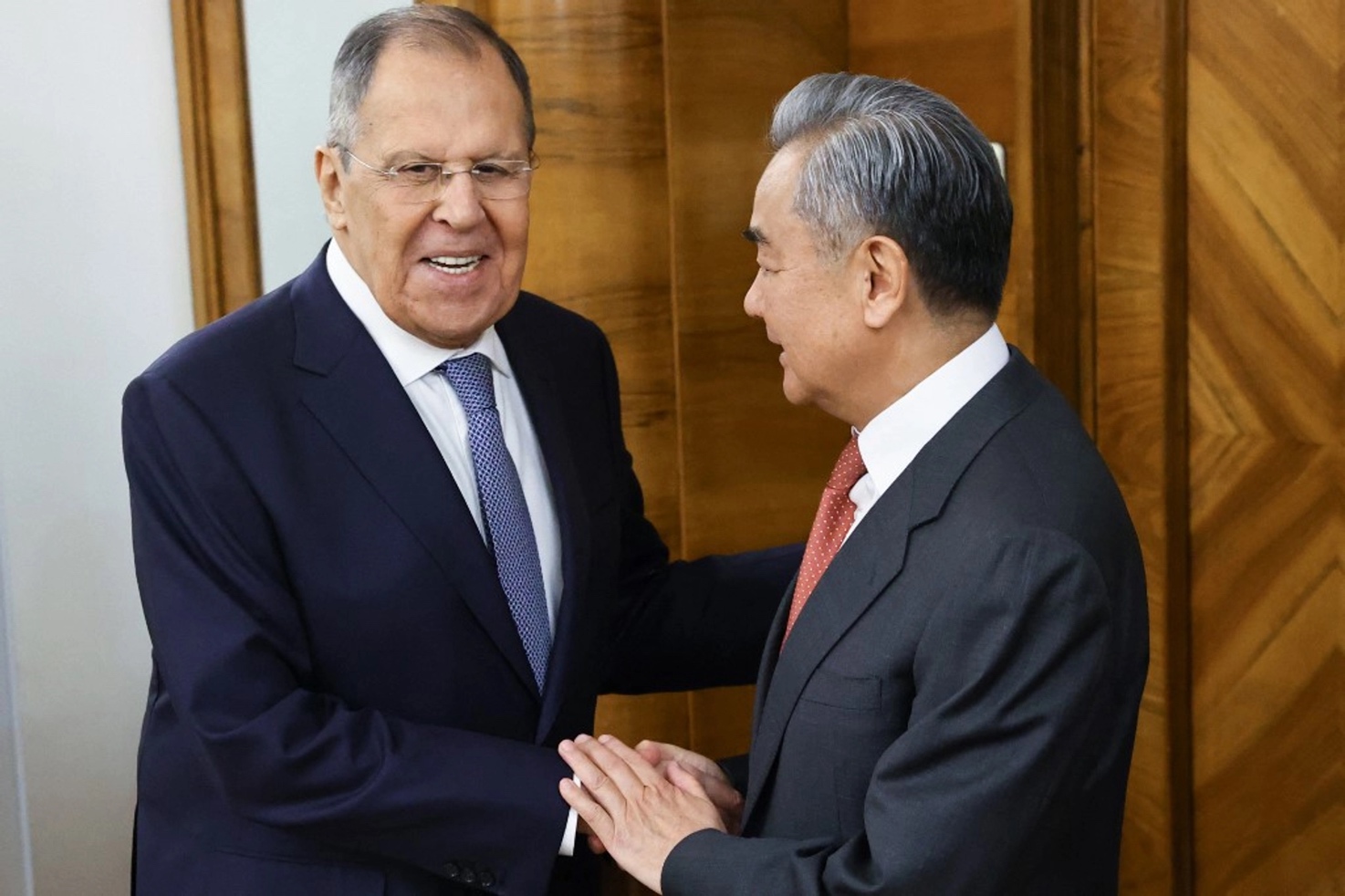
Meanwhile, Chinese Foreign Minister Wang Yi arrived in Moscow the same day as the American delegation—a calculated reminder of the Russia-China partnership that enabled Putin’s war.
And while diplomats maneuvered, Ukraine’s NATO mission chief was doing math on a different kind of future. Sixteen billion dollars. That’s what Ukraine expected in American weapons arriving in 2026—advanced systems, precision munitions, equipment that would keep arriving month after month through a program allowing NATO allies to purchase US weaponry for Ukraine. The question haunting every calculation: would peace negotiations conclude before those weapons arrived, or would Putin’s rejection mean Ukraine would need every missile, every shell, every system those billions could buy? His performance in Moscow suggested the answer.
What December 2 Revealed
The choreography told the story. Putin kept American envoys waiting while he delivered threats and exaggerated victories at an investment forum. He sat through nearly five hours of talks, then had his aide announce “no compromise” while blaming Europe for negotiation failures. He rejected peace proposals while appearing to negotiate, threatened escalation while claiming to seek resolution.
This was Putin’s theory of victory in action: sustain military pressure through costly but continuous advances, conduct information operations portraying inevitable Russian success, maintain economic resilience (real or imagined) that would outlast Western sanctions and Ukrainian endurance, drive wedges between America and Europe, and negotiate only to reject—keeping diplomatic channels open while ensuring negotiations failed.
The day revealed Putin’s calculation unchanged since the war began: time favors Russia. Ukrainian forces will eventually exhaust their capacity to resist. Western support will eventually wane. Economic pressure will prove insufficient. Russia can outlast them all through sheer brutal persistence.
Yet the evidence suggested Putin’s theory faced mounting challenges. Russian advances came at unsustainable cost. Forces were degraded after months of sustained combat. The economy showed severe strain no propaganda could fully disguise. Labor shortages, depleted reserves, gold sales, increased taxes, imported workers—these weren’t signs of successful coping but of an economy consuming itself.
Ukrainian forces demonstrated continued resilience, maintaining positions in contested areas, conducting counterattacks, striking deep into Russian territory. The long-range strike campaign continued degrading Russian infrastructure despite resource constraints. Ukrainian soldiers held Kupyansk, Pokrovsk, Vovchansk—all cities Putin claimed Russia had already captured.
The gap between Russian claims and battlefield reality created cognitive dissonance. Putin needed Western audiences to believe his narrative of inevitable victory. But the war’s actual trajectory remained uncertain, its outcome still to be determined not by propaganda but by cumulative effects of combat, attrition, adaptation, and endurance.
Putin’s rejection of the peace proposal meant the war would continue through another winter. More Ukrainian civilians would endure attacks on infrastructure. More soldiers on both sides would die fighting over frozen fields and ruined towns. More children would grow up knowing only war. The diplomatic efforts of this day brought peace no closer.
By midnight in Moscow, Putin had achieved his objective: reject the proposal while maintaining appearance of willingness to negotiate, blame Europe for obstruction, threaten escalation, and ensure the war continued on terms he believed favored Russia. Whether his calculation proved correct remained the war’s central question—one that would be answered not in conference rooms but in the grinding attrition of battles fought far from diplomatic theaters.
Day 1,378. The war ground forward. And nobody knew how many more days would pass before it ended.