
As Ukrainian Drones Hit Russian Oil Refineries and Defense Plants Across Four Oblasts, Anti-Corruption Raids Expose Million-Dollar Military Procurement Scheme While India Defies Trump’s Oil Sanctions
Summary of the Day – August 2, 2025
Ukraine launched its most comprehensive long-range drone campaign in months, striking critical Russian energy and defense infrastructure across Ryazan, Penza, Samara, and Voronezh oblasts in retaliation for Moscow’s record aerial bombardment. The strikes targeted major oil refineries producing 6.1 percent of Russia’s total refining capacity and defense plants manufacturing equipment for military communications systems. Meanwhile, Ukraine’s anti-corruption agencies exposed a massive bribery scheme involving a Member of Parliament and military officials who systematically stole funds intended for drone and electronic warfare procurement. As Trump’s August 8 deadline approaches, India openly defied American pressure by announcing continued Russian oil purchases despite 25 percent tariffs, while Russian forces killed six civilians including a 12-year-old boy in Sumy Oblast.
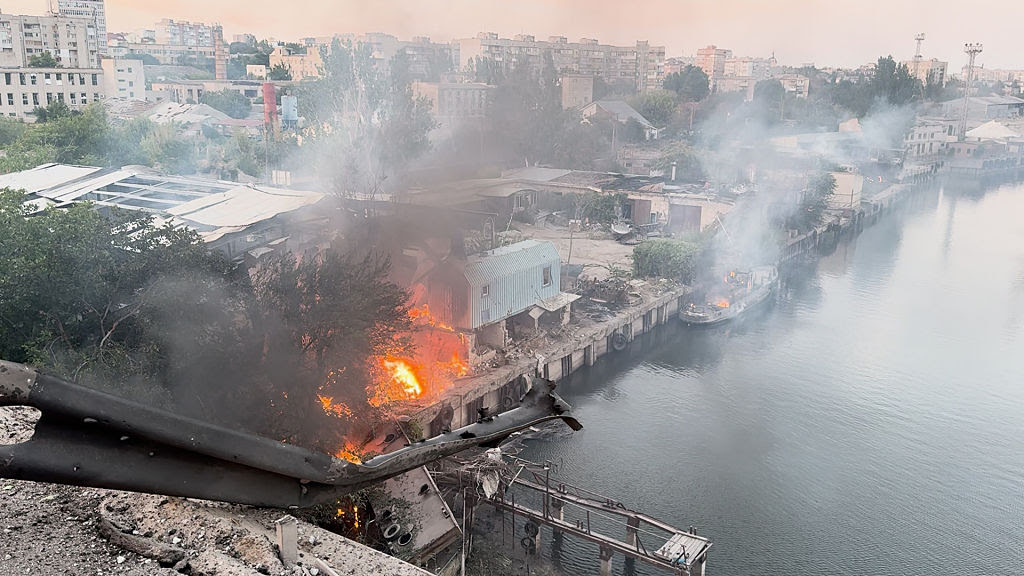
Fire breaks out after a Russian attack at three private residences and one apartment building as the emergency officials work at the area in Kherson. A Ukrainian local resident was injured after the attack, according to the reports. ( Kherson Regional Military Administration / Anadolu via Getty Images)
Ukraine’s Strategic Strike Campaign: Hitting Russia Where It Hurts
Ukrainian forces conducted their most comprehensive deep-strike operation in months, targeting Russia’s energy infrastructure and defense industrial base across four oblasts in coordinated overnight attacks. The campaign represented a significant escalation in Ukraine’s capacity to project power deep into Russian territory, striking facilities hundreds of kilometers from the border.
Ukraine’s Unmanned Systems Forces struck the Rosneft Ryazan Oil Refinery, one of Russia’s four largest refineries, starting a massive fire that caused significant damage to production facilities. The facility produces approximately 840,000 tons of TS-1 aviation kerosene annually—8.4 percent of Russia’s total production—and handles up to 17 million tons of oil per year, representing 6.1 percent of Russia’s total refining capacity.
In Samara Oblast, Ukrainian drones hit the Novokuybyshevsk Oil Refinery, with geolocated footage showing explosions and subsequent fires at the Rosneft-owned facility. The strike forced closure of Samara airport and temporary restriction of mobile internet access across the region.
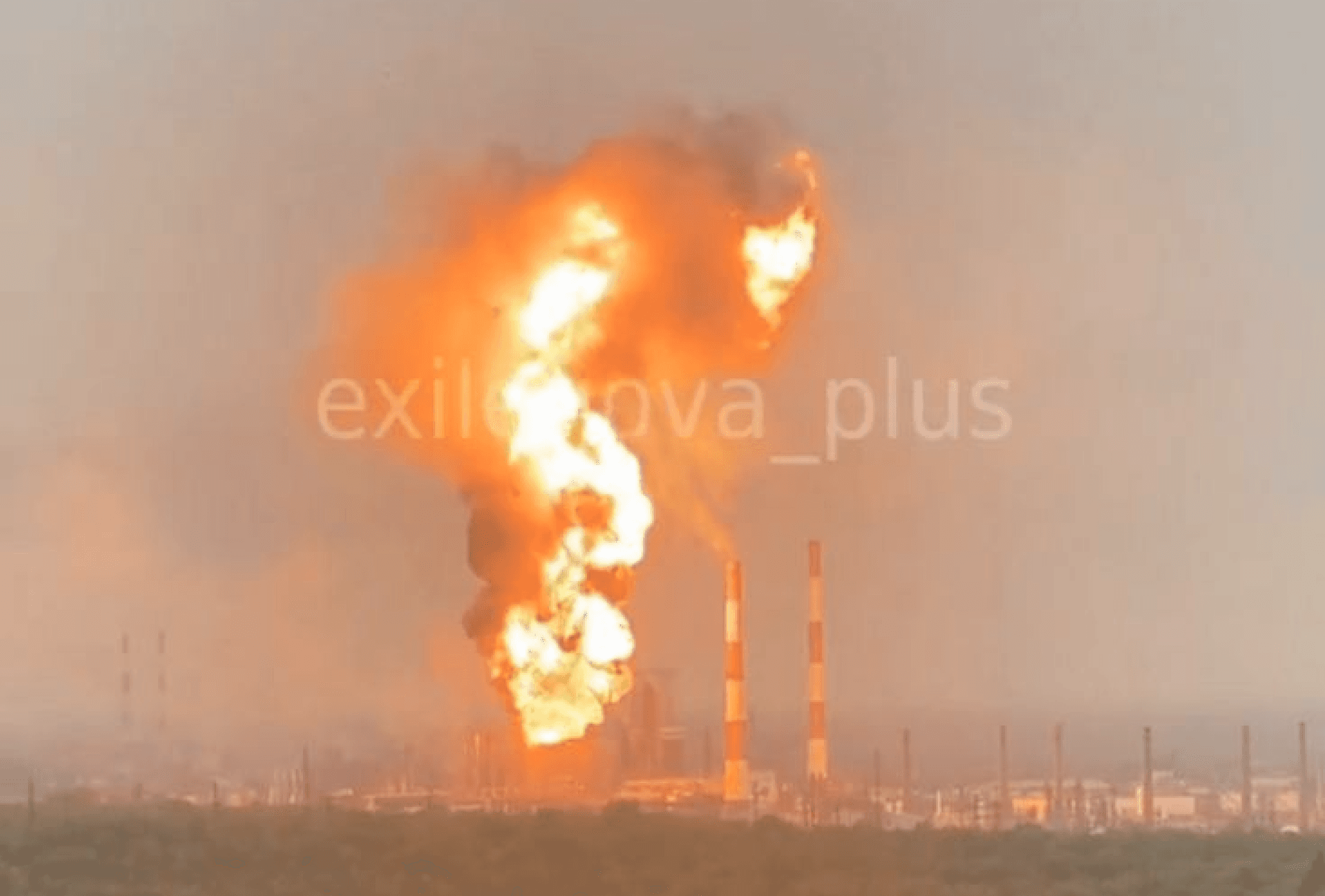
Footage allegedly capturing the strike on the Novokuibyshevsky oil refinery in Samara, Russia. (Telegram)
The Security Service of Ukraine targeted the Elektropribor plant in Penza City, which manufactures equipment for digital networks in Russian military control systems and devices for aviation, armored vehicles, ships, and spacecraft. The facility specializes in producing secure telecommunications systems, cryptographic communications equipment, and printed circuit boards for Russia’s Aerospace Forces, GRU military intelligence, Federal Security Service, and space program.
Ukrainian forces also struck the Radiozavod enterprise in Penza, which produces communications systems for the Russian military, including kits for armored vehicles, command and staff vehicles, and air defense systems. The attack prompted Russian authorities to limit mobile internet access throughout Penza Oblast.
Targeting Russia’s Drone War Machine: Airfield and Pipeline Strikes
The SBU conducted a precision strike against the Primorsko-Akhtarsk Air Base in Krasnodar Krai, hitting storage and launch facilities for Shahed-type kamikaze drones. The base serves as a critical launch point for Russia’s systematic bombardment of Ukrainian cities and is surrounded by some of Russia’s best air defense equipment.
Ukrainian forces also targeted the Annanefteproduct oil depot in Anna, Voronezh Oblast, which can receive petroleum products from up to 50 railway tanks and handle up to 160,000 tons of light petroleum products annually. In Rostov Oblast, drones struck the Likhaya-Zamchalovo traction power substation at a Russian rear supply base.
Perhaps most significantly, Ukrainian intelligence sources reported an explosion that disabled a section of Gazprom’s Central Asia-Center pipeline in Volgograd Oblast. The pipeline transports natural gas from Turkmenistan through Uzbekistan and Kazakhstan into Russia, supplying several Russian defense industrial enterprises.
In occupied Crimea, Ukrainian forces conducted a drone strike against the Russian 3rd Radio Regiment’s “Periscope-VM” radar system near Feodosia, with satellite data confirming heat anomalies at the radar’s location. The coordinated strikes demonstrated Ukraine’s growing capability to simultaneously target energy, defense, and military infrastructure across vast distances.
Corruption in the Ranks: Anti-Graft Agencies Expose Military Procurement Scheme
Ukraine’s National Anti-Corruption Bureau and Specialized Anti-Corruption Prosecutor’s Office unveiled a sophisticated bribery scheme involving a Member of Parliament, regional officials, and National Guard commanders who systematically appropriated funds intended for military drone and electronic warfare procurement.
The corruption ring included MP Oleksii Kuznetsov from President Zelensky’s Servant of the People party, former Luhansk Governor Serhii Haidai, current Rubizhne district head Andrii Yurchenko, a National Guard unit commander, and a drone supply company director. The group operated throughout 2024-2025, stealing government funds allocated for military equipment during wartime.
One scheme involved intentionally inflating a state contract for electronic warfare systems, with officials receiving kickbacks worth 30 percent of the contract value in exchange for price manipulation. A similar strategy targeted first-person-view drone procurement contracts, demonstrating how corruption undermined Ukraine’s defensive capabilities even as troops faced Russian advances.

Ukrainian law enforcement officials detain a suspect allegedly involved in a high-level bribery scheme exposed by anti-corruption agencies. (National Anti-Corruption Bureau / Telegram)
Four suspects have been detained, with MP Kuznetsov dismissed from the ruling party faction pending investigation. Prime Minister Yulia Svyrydenko convened an extraordinary Cabinet meeting, agreeing to recommend Haidai’s dismissal from his current post as head of Mukachevo district administration.
The investigation’s timing proved significant, coming just days after parliament restored independence to NABU and SAPO following mass protests against legislation that would have subordinated anti-corruption agencies to presidential control.
India Stands Defiant: New Delhi Rejects Trump’s Oil Sanctions
Despite 25 percent tariffs imposed by the United States, Indian officials announced their intention to continue purchasing Russian oil, directly challenging President Trump’s economic pressure campaign. The decision represents the most significant resistance to Trump’s secondary sanctions strategy from a major Russian oil customer.
Two senior Indian officials told the New York Times that the White House announcement triggered no change in energy or trade policy, with the government providing “no direction to oil companies” to reduce Russian imports. Foreign Ministry Spokesperson Randhir Jaiswal declared that India’s relationship with Russia remained “steady and time-tested.”
“Our bilateral relationships with various countries stand on their own merit and should not be seen from the prism of a third country,” Jaiswal stated, directly rejecting American pressure to alter energy procurement policies.
India’s defiance undermines Trump’s broader strategy of using secondary sanctions to pressure countries supporting Russia’s war economy. As the second-largest buyer of Russian oil after China, India’s continued purchases could significantly limit the effectiveness of economic measures designed to reduce Russian war revenues.
Analysts noted that initial reports of large-scale Indian policy changes may have been premature, with shipping data suggesting July’s decline in Russian crude imports coincided with typical seasonal reductions during monsoon season and scheduled refinery maintenance.
Civilian Toll: Children Among Latest Russian Attack Victims
Russian forces killed six civilians and injured at least 37 others in attacks across Ukraine, with children again bearing the horrific cost of Moscow’s systematic targeting of non-combatants. In Sumy Oblast’s village of Svesa, a 12-year-old boy died from injuries sustained in a drone attack, while a 13-year-old was hospitalized with shrapnel wounds.
The attack occurred at 2:30 p.m. local time, with the younger victim dying before medics could arrive. Governor Oleh Hryhorov expressed the profound grief felt across Ukraine: “Unspeakable pain. Sincere condolences to the family. No words can lessen this loss.”
In Kharkiv Oblast, Russian forces killed a 75-year-old woman in the village of Lisna Stinka and injured 11 people including children aged nine years, five years, and 10 months. The systematic targeting of civilian areas violated international humanitarian law while serving Putin’s strategy of terrorizing Ukrainian society.
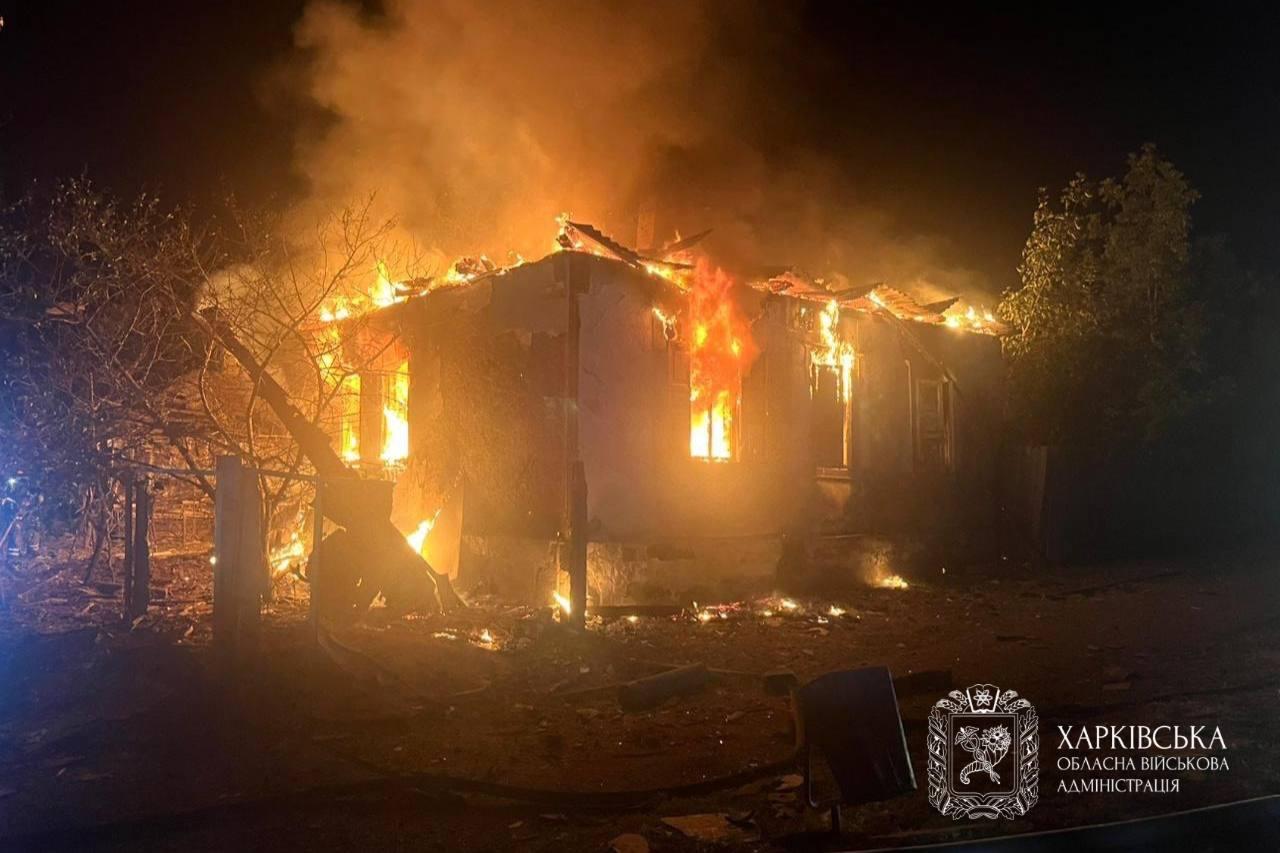
The aftermath of a Russian attack on Kharkiv Oblast overnight. (Kharkiv Regional Military Administration)
Additional casualties occurred across Chernihiv, Dnipropetrovsk, Donetsk, and Kherson oblasts, where Russian forces targeted 34 settlements including the regional capital. The daily casualty toll underscored the relentless nature of Russia’s war against Ukrainian civilians.
Pokrovsk Under Siege: Commander Reports “Total Infiltration” Tactics
Commander-in-Chief Oleksandr Syrskyi visited command posts near embattled Pokrovsk, reporting that Russian forces were employing “total infiltration” tactics in attempts to breach Ukrainian defenses. The strategic city remains one of the “most difficult” areas on the front line, alongside Dobropillia and Novopavlivka.

Oleksandr Syrskyi, commander-in-chief of Ukraine’s Armed Forces, during a working visit to Donetsk Oblast. (Oleksandr Syrskyi / Facebook)
“The enemy is stepping up its efforts to capture our key agglomerations, looking for vulnerabilities in our defense, and conducting active combat operations in several directions simultaneously,” Syrskyi reported. Russian troops were attempting to enter Pokrovsk through infiltration tactics while conducting increased sabotage activities in Ukrainian rear areas.
Ukrainian forces have been repelling Russian sabotage groups and small infantry units, with commanders establishing anti-sabotage reserves and strengthening fortifications, explosive barriers, and anti-drone tunnels. The battle for Pokrovsk has intensified as Russia concentrates offensive forces to break through into neighboring Dnipropetrovsk Oblast.
Previous reports indicated Russian forces had amassed 111,000 troops near Pokrovsk, making it the focal point of Moscow’s summer offensive in eastern Ukraine. The city’s fall would represent a significant strategic loss, potentially opening routes to Ukraine’s fortress belt of defensive cities.
Domestic Unrest: Vinnytsia Protests Highlight Mobilization Tensions
Hundreds of protesters gathered in Vinnytsia demanding the release of men detained by military enlistment offices, with demonstrations escalating into a confrontation at a stadium where detainees were being held. The incident highlighted growing social tensions surrounding Ukraine’s mobilization efforts.
Protesters forced open stadium gates where conscripted men were undergoing medical examinations, prompting police to use tear gas and make arrests. The confrontation continued despite curfew implementation, with five men aged 21-33 charged with seizing a state building.
The Vinnytsia military enlistment office reported that detained men were being processed for medical examinations, while police stated that one subject of protest demands had been wanted for evading military service. Such incidents provide propaganda opportunities for Russian information warfare aimed at undermining Ukrainian mobilization efforts.
The protests occurred amid broader concerns about draft office practices, including reports of forced conscription without compliance with civil rights procedures. Russian forces have also targeted enlistment offices with missile strikes in recent months, attempting to disrupt mobilization through both military action and information campaigns.
Infrastructure Under Fire: Bridge Attack Forces Evacuations in Kherson
Russian forces damaged a key bridge in Kherson Oblast with guided bombs, prompting local officials to urge residents to evacuate the affected district. The strike occurred around 6 p.m. local time when Russian forces dropped two bombs on Kherson city, damaging the bridge connecting the city to the Korabel neighborhood.
The attack also damaged three private homes and a high-rise residential building, though no immediate casualties were reported. Governor Oleksandr Prokudin urged Korabel district residents to evacuate, citing complications to logistics and infrastructure.
“As a result of the enemy airstrike, logistics have been complicated. Because of this, it will be difficult to deliver food and other things for the time being,” Prokudin wrote on Telegram. The strike demonstrated Russia’s systematic targeting of civilian infrastructure to create humanitarian pressure on Ukrainian population centers.
Behind Enemy Lines: Ukrainian Intelligence Eliminates Chechen Unit
Ukraine’s military intelligence agency conducted a joint operation with local partisans to eliminate five Chechen soldiers from the Russian-backed Akhmat unit in occupied Melitopol. The operation resulted in the explosion of a minibus carrying the Akhmat fighters, killing all five aboard.
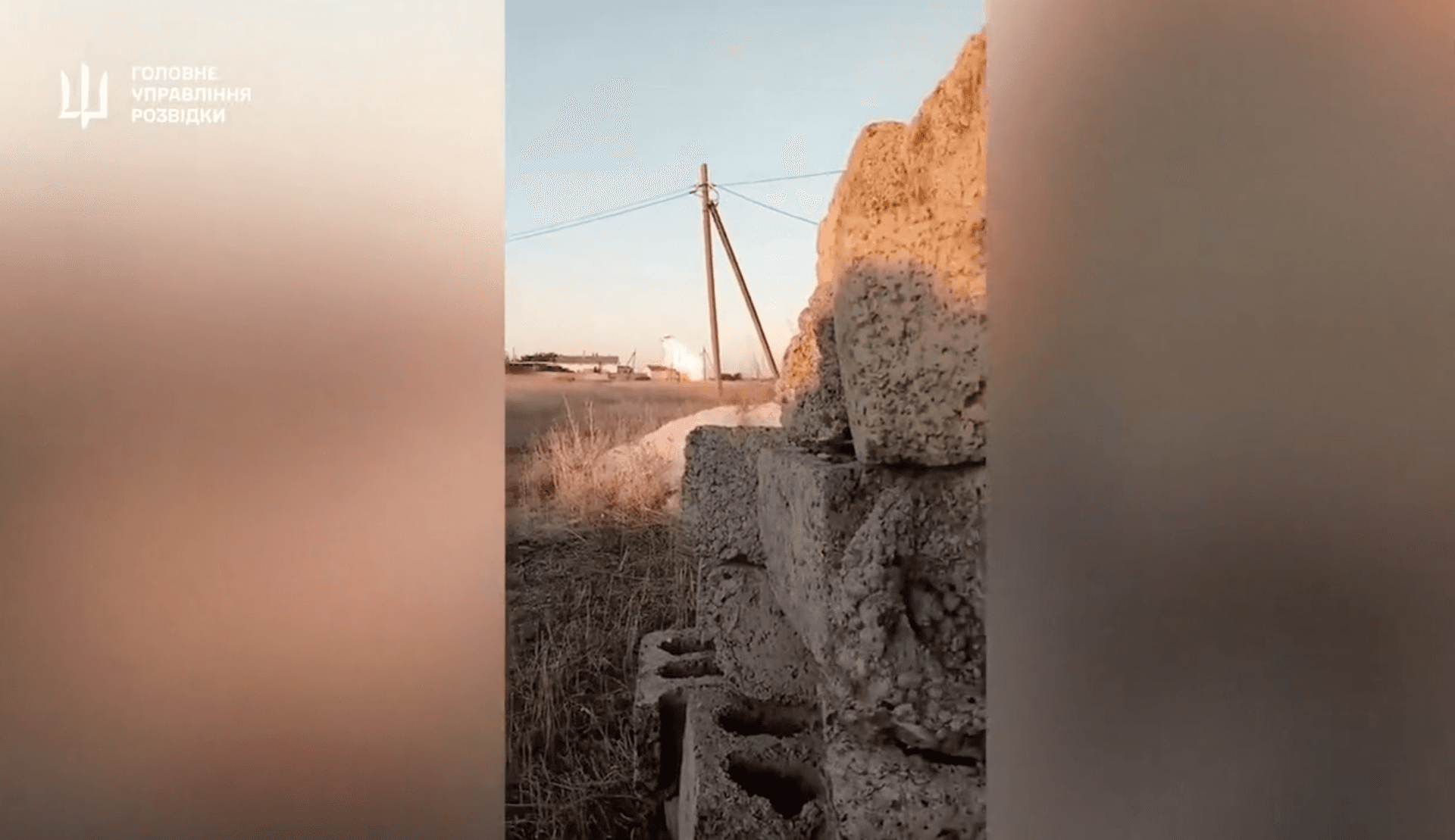
Screenshot of video footage purporting to show a minibus exploding near Russian-occupied Melitopol. The blast killed all five Chechen soldiers aboard, according to Ukraine’s military intelligence. (Screenshot / HUR / Telegram)
The blast also wounded two Russian soldiers in a nearby vehicle and destroyed an electronic warfare system, according to HUR. The successful operation demonstrated the continued effectiveness of Ukrainian partisan networks in occupied territories, even in areas under Russian control since March 2022.
The elimination of Akhmat forces carried particular significance, as these Chechen units have been involved in some of the most brutal aspects of Russia’s occupation, including intimidation of civilian populations and enforcement of Russian administrative control.
Nuclear Facility Alert: Explosions Rock Zaporizhzhia Plant Area
The International Atomic Energy Agency team at the Zaporizhzhia Nuclear Power Plant observed explosions and smoke from a nearby auxiliary facility that came under attack on August 2. The strikes began around 9 a.m. local time, with plant staff informing IAEA personnel that the site was hit by shelling and drones.
Smoke from the targeted area remained visible into the afternoon, despite the facility being located 1,200 meters from the plant’s perimeter. The incident highlighted persistent nuclear safety risks stemming from Russia’s war against Ukraine, with Director General Rafael Mariano Grossi calling for “maximum military restraint near nuclear facilities.”
The attack occurred as Russia appears to be constructing power lines to connect the occupied plant to Russia’s energy grid. Satellite imagery indicates Russian forces have laid over 80 kilometers of high-voltage lines along the Sea of Azov coastline since early February, potentially linking the facility to Russian electrical infrastructure.
Fallen Journalist Honored: Viktoria Roshchyna Receives Order of Freedom
President Zelensky posthumously awarded the Order of Freedom to journalist Viktoria Roshchyna, who died in Russian captivity in 2024. The 27-year-old reporter disappeared in August 2023 while reporting from Russian-occupied territories, with Moscow later admitting she was in detention.
“Viktoria was one of those who spoke the truth about the war. She worked on the front lines and in temporarily occupied territories, risking her life,” Zelensky said. Her body was returned to Ukraine in late February, falsely labeled as an “unidentified man,” with forensic examination later confirming her identity through DNA testing.
A recent investigation revealed that Roshchyna’s body had been returned with missing organs, possibly an attempt to obscure signs of suffocation or strangulation. She had been held in at least two notorious Russian prisons known for torture: Penal Colony 77 in Berdiansk and Detention Center 2 in Taganrog.
Regional Attacks: Multiple Cities Suffer Russian Bombardment
Russian forces launched widespread attacks across multiple oblasts, striking civilian areas and causing casualties beyond the major incidents. In Druzhkivka, Donetsk Oblast, mass drone attacks injured at least five people and damaged houses, a market, shop, administrative building, and several cars.
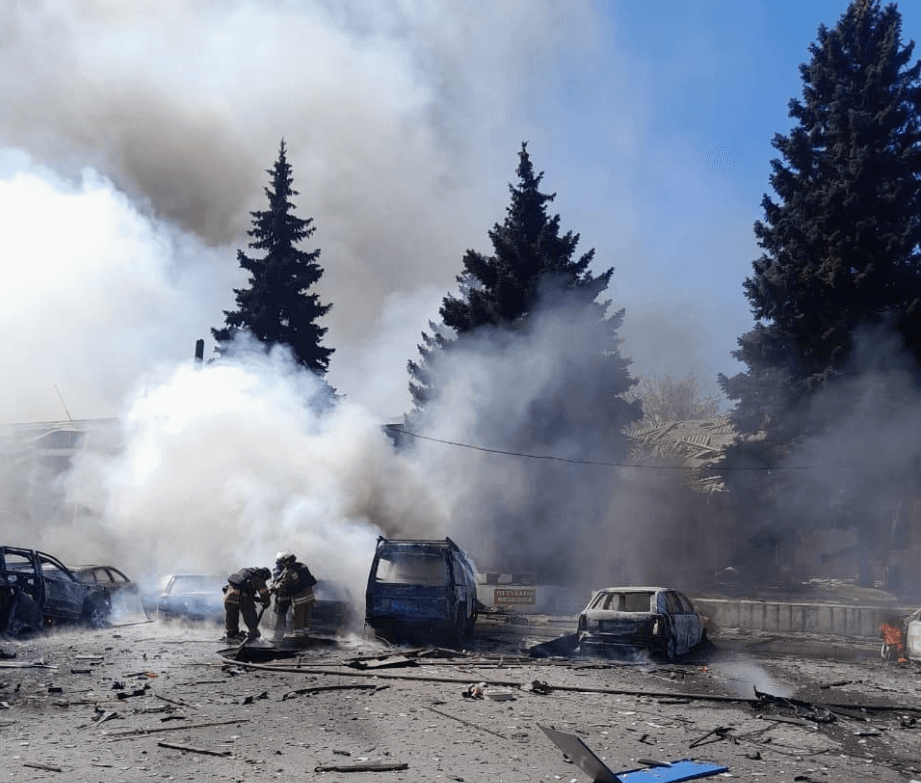
The aftermath of a Russian attack on the city of Druzhkivka in Donetsk Oblast, Ukraine. (Vadym Filashkin/Telegram)
A Russian missile strike hit Mykolaiv overnight, destroying private homes and damaging civilian infrastructure while hospitalizing three civilians. Emergency crews were dispatched to conduct rescue operations and extinguish fires caused by the blast.
The attacks demonstrated Russia’s systematic campaign to degrade civilian morale and infrastructure across Ukraine, with settlements in eastern oblasts facing particular intensity as Russian forces advance. The bombardment of rear-area cities like Mykolaiv showed Moscow’s intent to terrorize populations far from active combat zones.
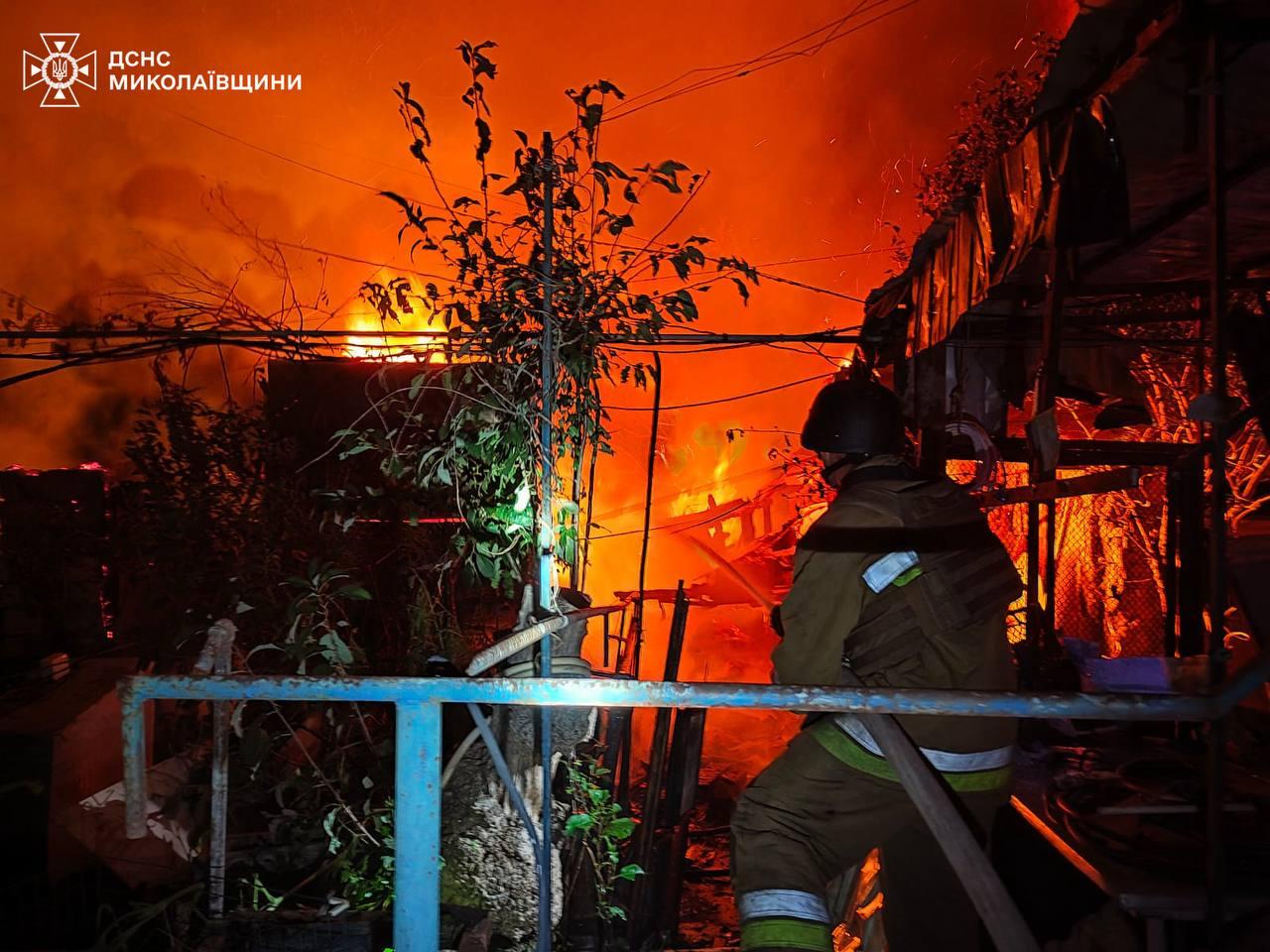
Aftermath of a Russian missile strike on Mykolaiv overnight. (State Emergency Service/Telegram)
NATO Innovation: New Weapons Transfer Mechanism Emerges
The United States and NATO developed a novel approach to supply Ukraine with weapons using funds from alliance countries to pay for American arms transfers. The mechanism aims to provide $10 billion in weapons through a coordinated system where allies negotiate financial contributions for items on Ukraine’s Priority Requirements List.
Ukraine would prioritize weapons needs in roughly $500 million tranches, with NATO allies coordinating through Secretary General Mark Rutte to determine funding responsibilities. The system includes a NATO holding account where allies could deposit money for weapons approved by the alliance’s top military commander.
The approach would allow NATO countries to bypass lengthy U.S. arms sales procedures when replenishing their own stocks after donating weapons to Ukraine. At least one tranche is currently being negotiated under the new mechanism, though financial transfers have not yet occurred.
The initiative reflects continued transatlantic cooperation on Ukraine despite Trump’s demands for European allies to shoulder greater defense burdens. Ukraine’s consistent needs remain air defenses, interceptors, systems, rockets, and artillery to counter Russia’s systematic bombardment campaign.
Economic Projections: NBU Forecasts Modest Growth Despite Intensified Attacks
Ukraine’s National Bank projected real GDP growth of 2.1 percent in 2025, increasing to 2.3 percent in 2026 and 3 percent in 2027, while inflation is expected to slow from current levels. However, Russia’s increasingly intensive air attacks and continued destruction of production facilities constrain economic recovery.
The central bank noted that much of Ukraine’s macroeconomic stability relies on international financial assistance, which covers social expenditures while Ukraine spends 60-70 percent of internal revenues on defense. Ukraine expects to receive approximately $54 billion in external assistance for 2025, with over $24 billion already received.
Russia’s devastating attacks particularly affected Ukraine’s mining, gas, and chemical industries during the second quarter. Air and drone attacks increased 152 percent year-over-year and 32 percent quarter-over-quarter, causing mining industry output to drop 17.5 percent and chemical industry production to contract 7.4 percent.
The NBU will maintain tight monetary policy with the key rate at 15.5 percent until the fourth quarter of 2025. Economic recovery pace depends heavily on war developments, with potential for 3-3.5 percent growth if normalization occurs quickly and private investment increases.
Russian Military Movements and International Responses
The Kremlin deployed limited responses to Trump’s nuclear submarine announcement, with Russian state media highlighting the arrival of the Knyaz Pozharsky Borei-A class nuclear submarine at the Northern Fleet’s main base in Severnomorsk. The vessel entered service on July 24, with Russian milbloggers claiming superiority over American analogues.
Russian officials made veiled threats about deploying Oreshnik ballistic missile systems to Latin American and Caribbean allies, deliberately invoking memories of the Cuban Missile Crisis. These responses form part of Moscow’s reflexive control campaign designed to deter Western military support for Ukraine.
A drone suspected of entering Lithuania from Belarus was discovered at the Gaižiūnai training ground, prompting Lithuania to reinforce air defenses along its border with Belarus. The incident occurred ahead of the planned Zapad-2025 military exercises in September, involving approximately 13,000 Russian and Belarusian troops.
European Union representatives continued negotiations over Ukraine’s reform commitments under the Ukraine Facility program, with Kyiv submitting an updated Ukraine Plan for consideration. The amendments push back some requirements while accelerating others, including moving up legislation on public bank sales from 2026 to late 2025.
Congressional Inaction: Senate Leaves Without Sanctions Vote
Republican senators left Washington for August recess without passing major Russia sanctions legislation, effectively handing President Trump full authority to decide whether to follow through on his August 8 threat to penalize Moscow. The Graham-Blumenthal bill proposing 500 percent tariffs on Russian oil remained unvoted upon.
“I think (Trump)’s going to be very careful about what he does,” Senator Mike Rounds told The Hill. “But I think he is clearly disappointed in Putin, and I think he is now coming around to recognizing that many of us were right.”
Senator Richard Blumenthal, co-author of the sanctions bill, said he would consider it a victory if Trump imposed even a portion of the proposed measures. “We propose in our bill 500 percent. If it’s 250 percent, I could live with it. Even if it’s 100 percent, possibly,” he stated.
The congressional inaction leaves Trump with complete discretion over implementing secondary sanctions, while some Republican senators criticized missing the opportunity to increase pressure on Russia through legislative action.
EU Reform Negotiations: Ukraine Seeks Facility Amendments
Economy Minister Oleksii Sobolev announced Ukraine’s intention to implement reforms necessary to secure the full Ukraine Facility tranche for 2025, following the EU’s reduction of the next disbursement due to delayed reforms. Ukraine submitted an updated Ukraine Plan pushing back some requirements while accelerating others.
The proposed amendments move up legislation on public bank sales from first quarter 2026 to fourth quarter 2025, while calling for renewable energy investment legislation by late 2025 instead of 2026. European Commission Spokesperson Guillaume Mercier confirmed that EU regulations allow plan revisions due to evolving circumstances.
Ukraine had aimed to receive 4.5 billion euros in the fourth installment but will instead receive 3.05 billion euros due to incomplete reform implementation. The funding cuts came amid renewed scrutiny following Zelensky’s initial dismantling of anti-corruption agency independence, which was later reversed after domestic and international backlash.
Looking Ahead: Escalation Without Resolution
As Trump’s August 8 deadline approaches, both military and diplomatic trends suggest continued escalation rather than breakthrough toward peace. Ukraine’s enhanced long-range strike capabilities demonstrate growing capacity to impose costs on Russian territory, while systematic corruption within military procurement reveals ongoing challenges to defensive effectiveness.
Russia’s civilian targeting campaign continues claiming lives daily, particularly among children, while infiltration tactics around strategic cities like Pokrovsk indicate sustained offensive pressure. India’s rejection of American economic pressure signals potential limits to Trump’s secondary sanctions strategy, though other countries may prove more susceptible to U.S. leverage.
The contradiction between accelerating military operations and diplomatic ultimatums creates dangerous uncertainty about the war’s trajectory. Putin’s commitment to maximalist territorial demands appears unchanged, while Ukraine’s growing strike capabilities may encourage more aggressive Russian responses to prevent further infrastructure losses.
The next week will test whether Trump’s economic and military pressure can achieve what diplomatic overtures have failed to accomplish—forcing meaningful Russian concessions in peace negotiations that respect Ukrainian sovereignty and territorial integrity.